• Aviso de importancia, Reglamento del Foro actualizado. Reglas Técnicas, punto Q. Ir al siguiente link: Ver aviso

La Segunda Guerra Mundial en Color

emilioteles

Colaborador
1618046_707005086093749_3059849075063458756_o.jpg
 

emilioteles

Colaborador
11289092_699760143484910_6915140182341823980_o.jpg

BLACKBURN FIREBRAND

En marzo de 1939 el Almirantazgo británico redactó unas especificaciones para un caza defensivo biplaza,armado con cuatro cañones de 20mm en las alas;posteriormente se revisaron aquéllas ,para un caza monoplaza.El primero de los tres prototipos del FIREBRAND voló por primera vez el 27 de febrero de 1942.Por aquel entones,el SUPERMARINE SEAFIRE ya se había aceptado para el servicio,por lo que se planeó que el FIREBRAND se empleara como torpedero.Sin embargo,los primeros 9 aparatos llevaban su fabricación demasiado adelantada como para poder ser adaptados,por lo que se completaron como cazas FIREBRAND F MK I ,hasta la llegad del FIREBRAND TF MK II ,con anclajes externos para transportar un torpedo.Soló se terminaron 12 aparatos antes de que este aparato fuera revisado para su fabricación después de la guerra,con un motor BRISTOL CENTAURUS.

FIREBRAND MK caza torpedero monoplaza basado en tierra y en portaaviones
motor:un NAPIER SABRE III de 24 cilindros en H y 2305 hp o BRISTOL CENTAURUS de 2520 hp.
velocidad máxima:571 kph.
subida inicial:701 m por minuto.
techo servicio:8690 m.
autonomía:1239 kms.
peso vació:5197 kg
peso cargado:7575 kg.
envergadura:15.63 m.
longitud:11,63 m.
altura:4,06 m.
 

emilioteles

Colaborador
18721_726786540784474_8782800392121312140_n.jpg

An SAS jeep (Sr/Nº4822478) in the Gabes-Tozeur area of Tunisia. The vehicle is heavily loaded with jerry cans of fuel and water, and personal kit. The 'gunner' is manning the .50 cal Browning machine gun, while the driver has a single Vickers 'K' gun in front, and a twin mounting vickers behind. 1943.

(Source - IWM - Sgt. Currey, No 2 Army Film & Photographic Unit)
 

emilioteles

Colaborador
10857816_726375730825555_197394830198975007_n.png

A 105 mm Self Propelled Gun M-7 'Priest' of the 14th Armored Field Artillery Battalion, 2nd Armored Division passes through Rue Holgate, Carentan, Normandy on the 18th June 1944.

At dawn on 13 June, the 101st Airborne was about to attack the German line when it was attacked by tanks and assault guns. Two battalions of the 37th Panzergrenadier Regiment, supported by the 17th Panzer Battalion and III./FJR6, struck hard at the 501st PIR on the American left, which fell back under heavy pressure. The left flank companies (Dog and Fox Companies) of the 506th then gave way, and by noon the spearheads of the German attack were within 500 yards of Carentan. However, Company E (Easy) of the 506th, commanded by 1st Lt. Richard D. Winters, anchored its right flank against a railroad embankment and held its position. Reinforced by the 2nd/502nd PIR taking position on its right, Easy Company slowed the German attack until American tanks could be brought up.
Reacting to an Ultra warning of the size and threat of the counterattack, Lieutenant General Bradley diverted CCA U.S. 2nd Armored Division (commanded by Brig. Gen. Maurice Rose and near Isigny sur mer) to Carentan at 10:30. At 14:00 CCA attacked, supported by the self-propelled howitzers of the 14th Armored Field Artillery Battalion. One task force of tanks and mechanized infantry surged down the road to Baupte in the 2nd/506th's area and shattered the main German thrust. A second task force drove back German forces along the Périers highway, inflicting heavy losses in men and equipment. CCA, followed by the 502nd PIR, then pushed west a mile beyond the original lines.
The counterattack became known anecdotally among the surviving paratroopers as the "Battle of Bloody Gulch".

11010552_726378264158635_749395826764605777_n.jpg

Rue Holgate, Carentan, Normandy
 

BIGUA82

VETERANO DE GUERRA DE MALVINAS
Colaborador
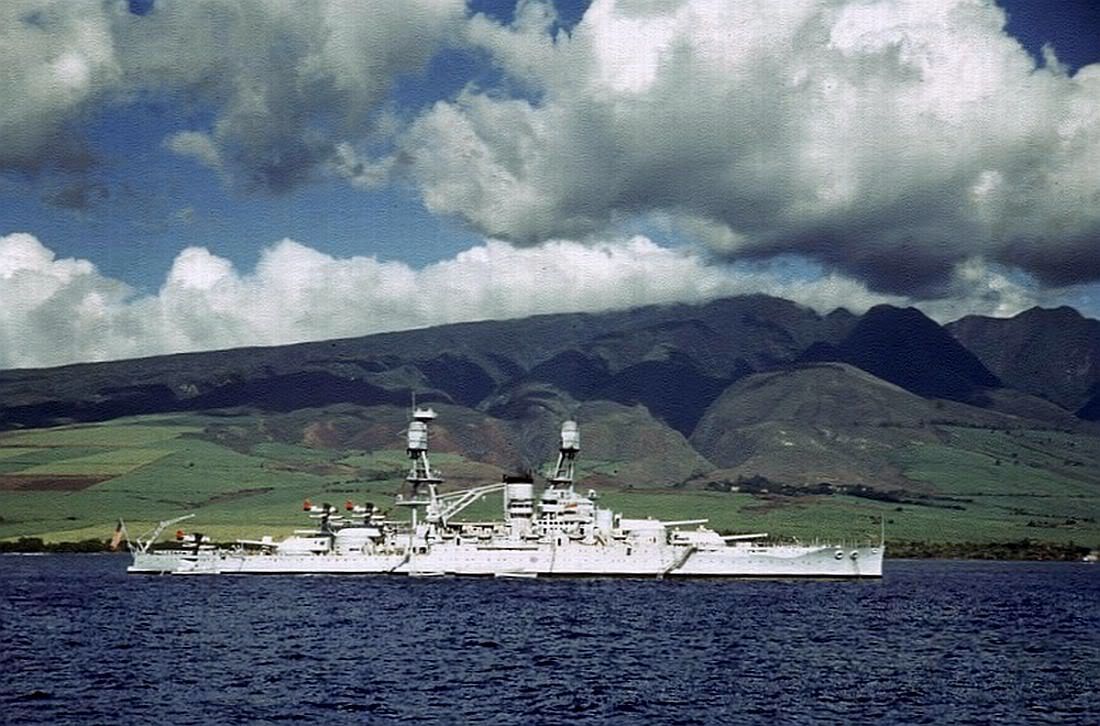
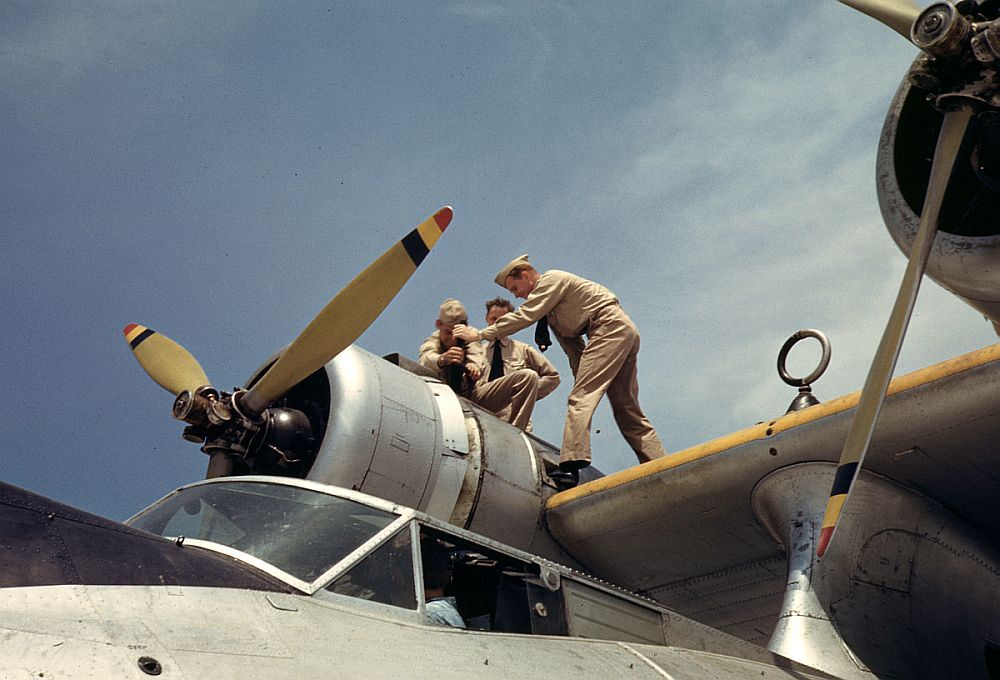
USS Nevada battleship, note 3 Curtiss Seagull floatplanes on catapults
Nevada-batshp.jpg


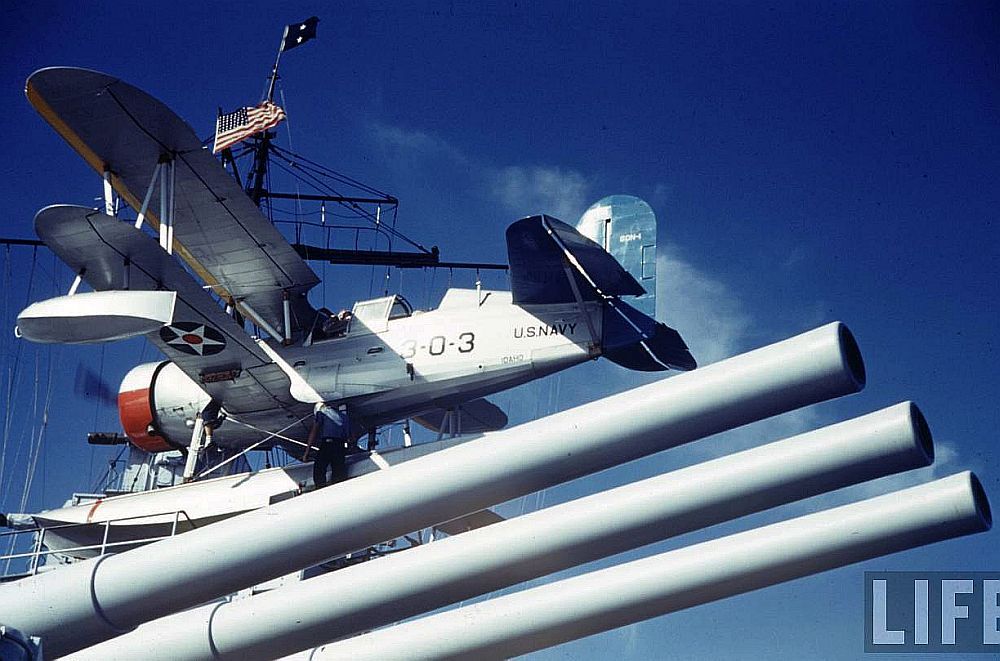
Curtiss Seagull
Seagull-on-ship.jpg


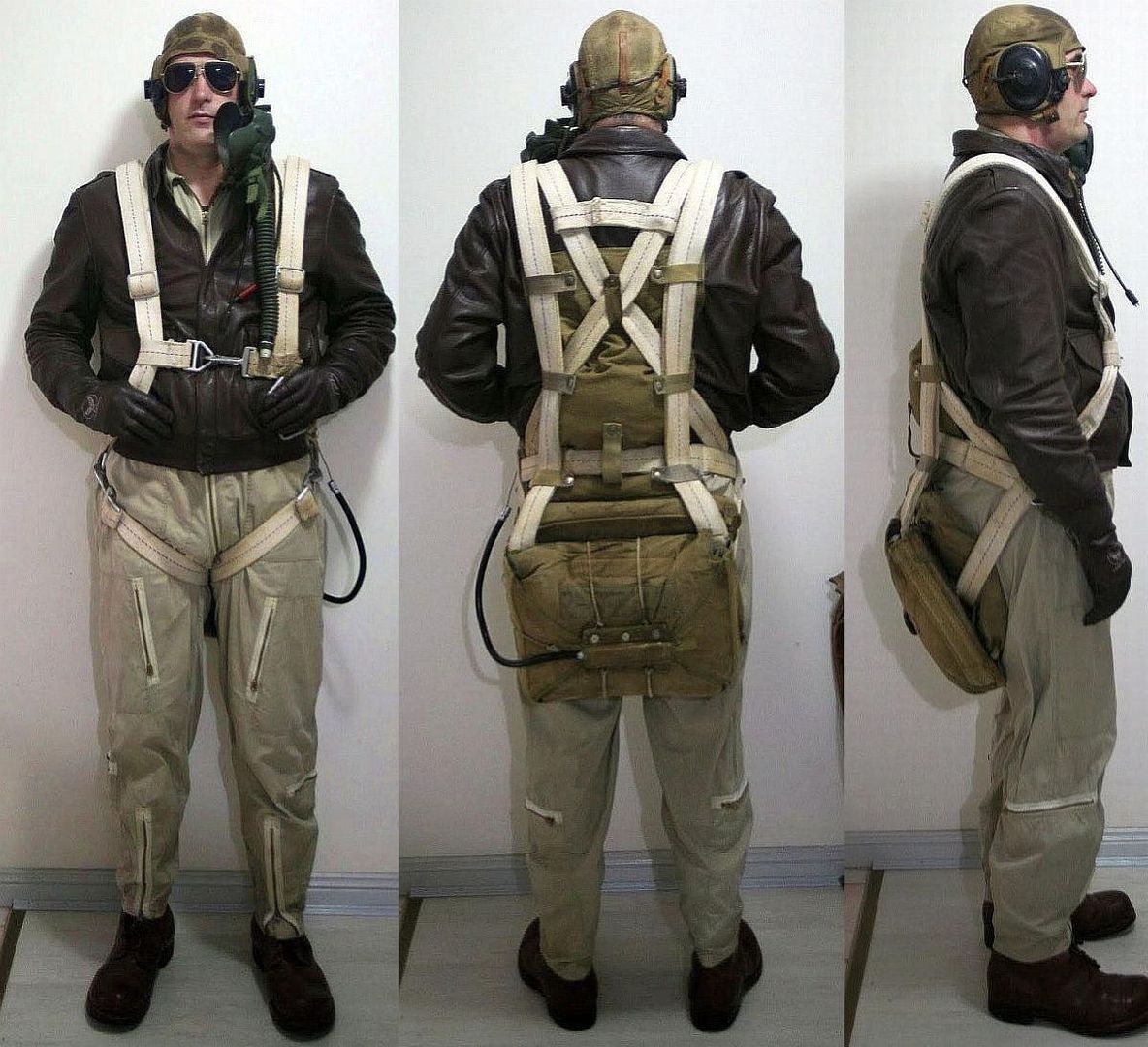
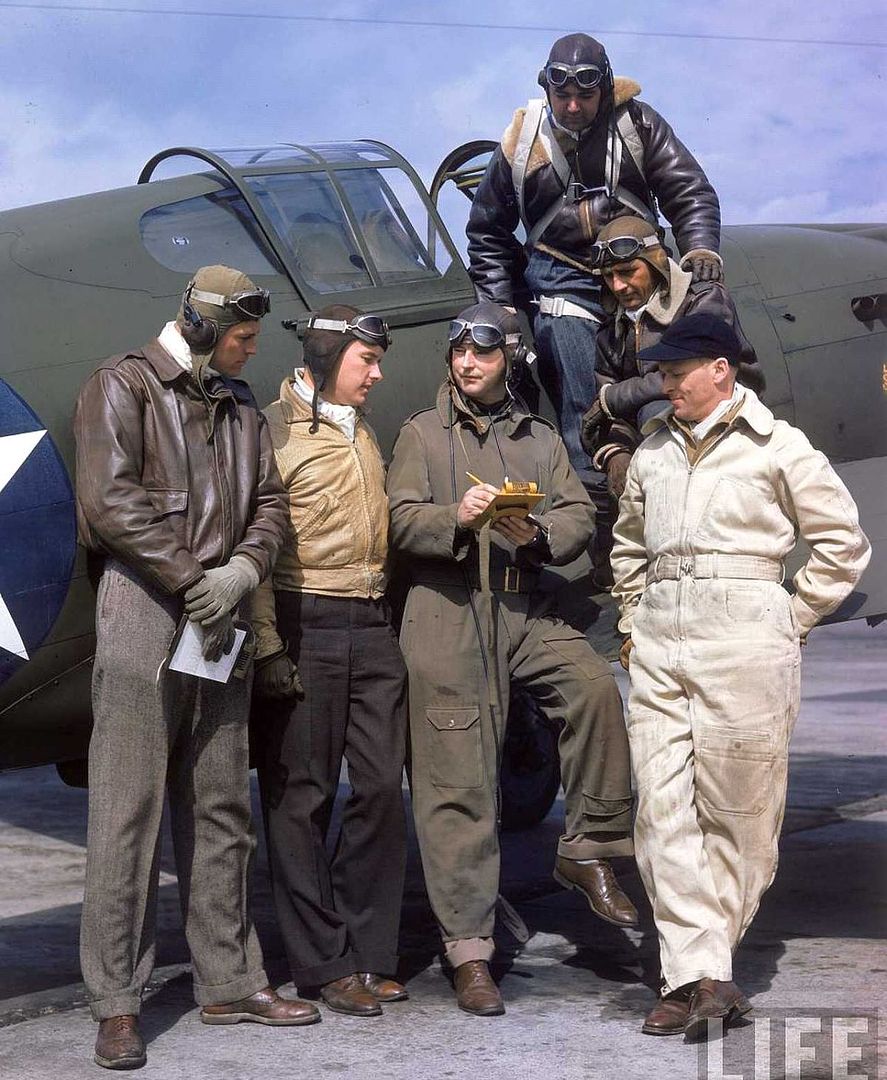
USAF fighter pilot gear, 1945
USAF-ftr-1945.jpg


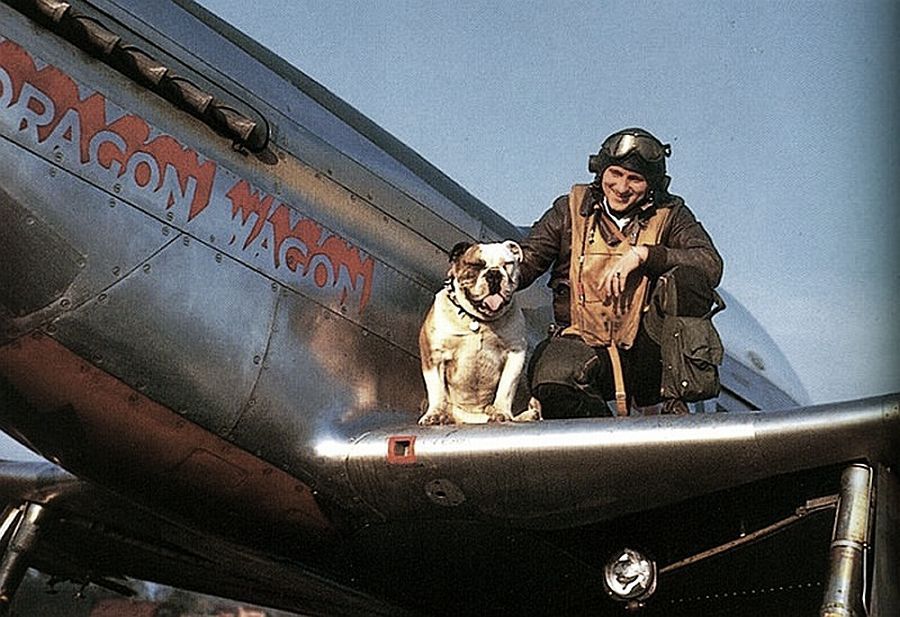
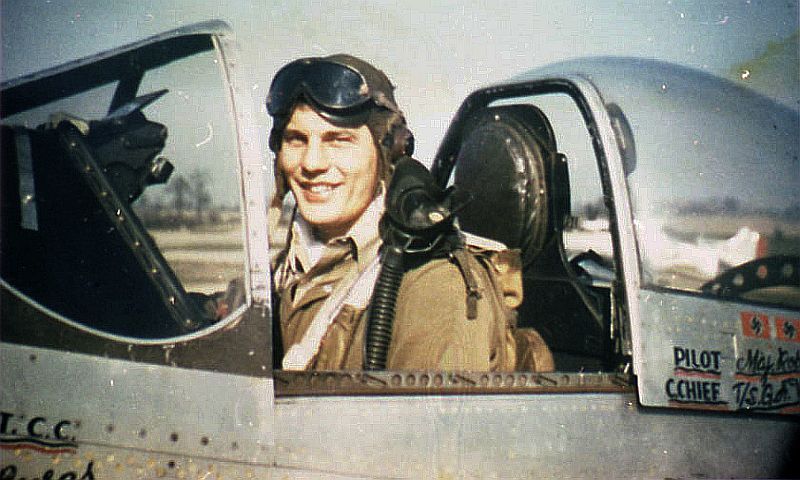
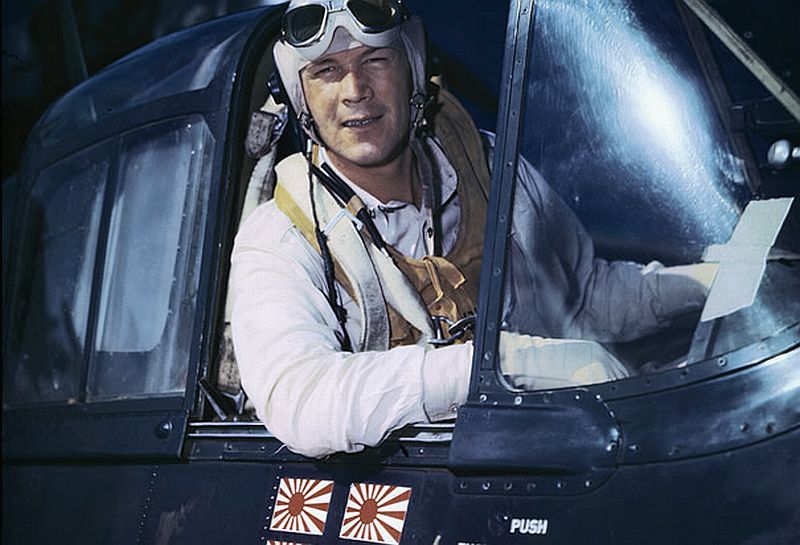
P-51 pilot
P-51-dog.jpg


P-51 pilot Robin Olds
RobinOlds-p51-ww2.jpg


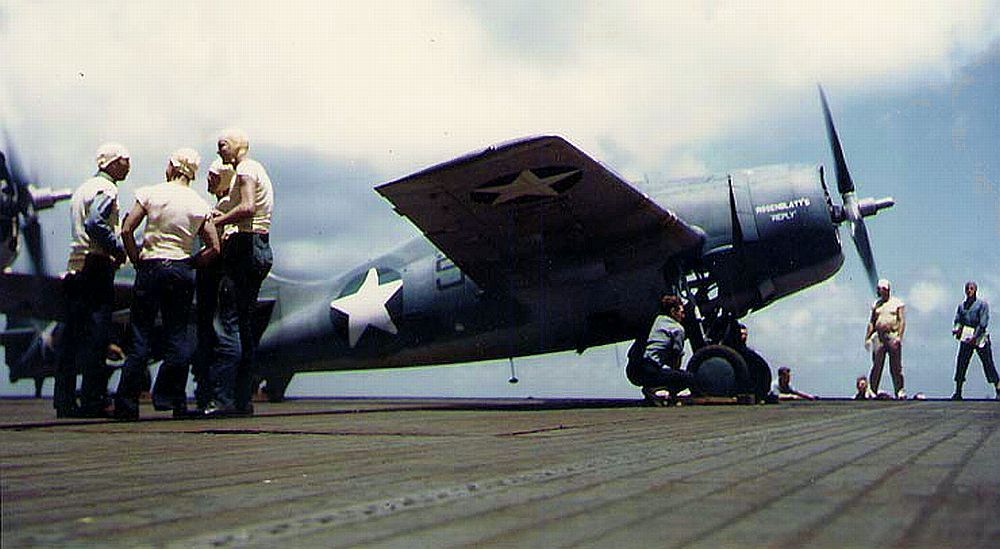
Wildcat, USS Suwannee 1943
wildcat-USSsuwanee.jpg


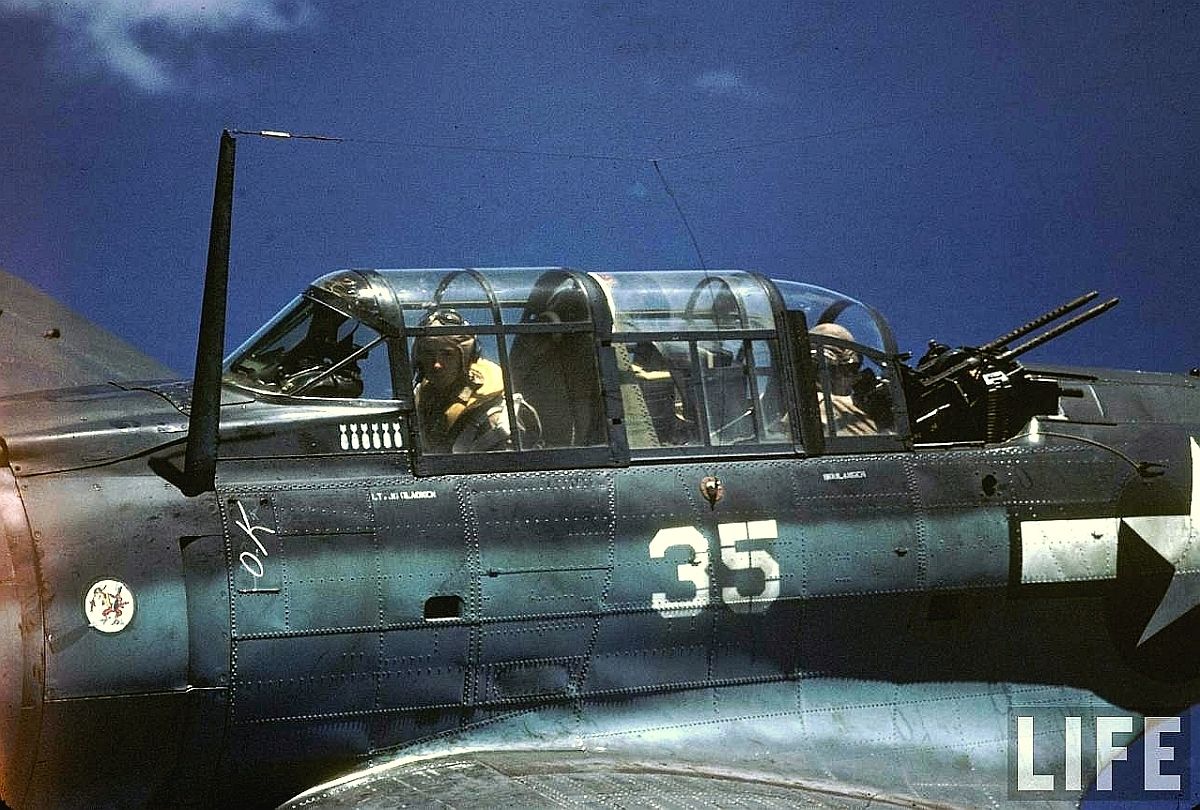
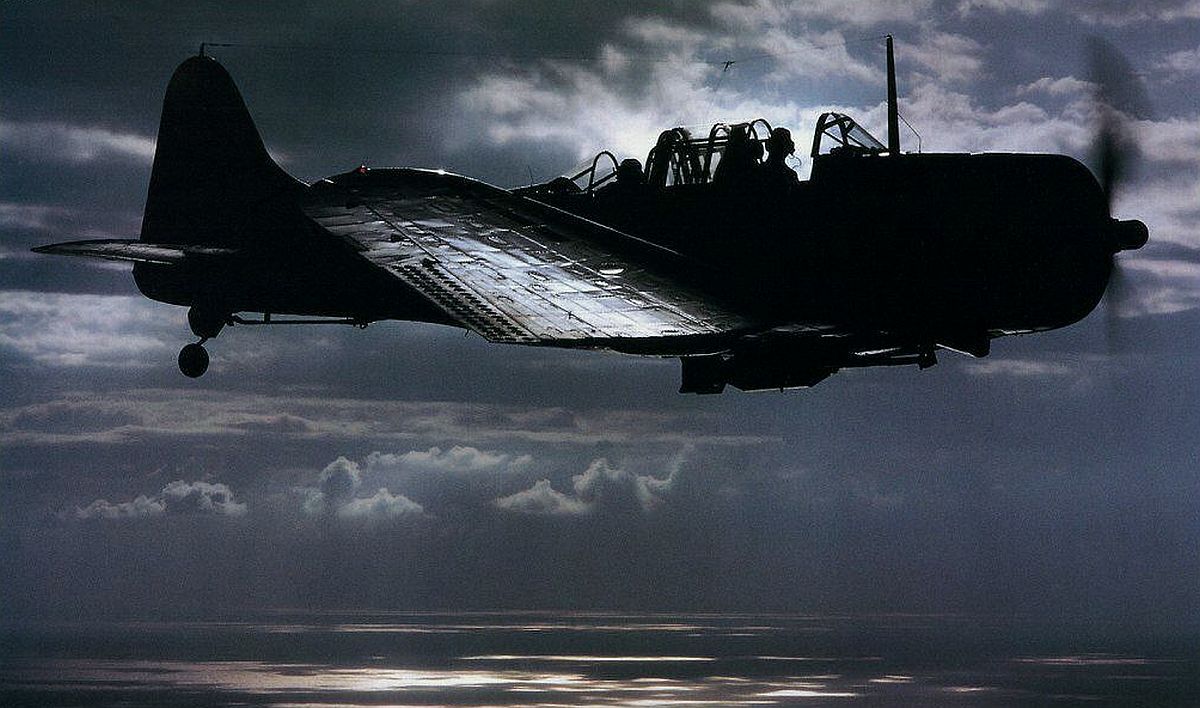
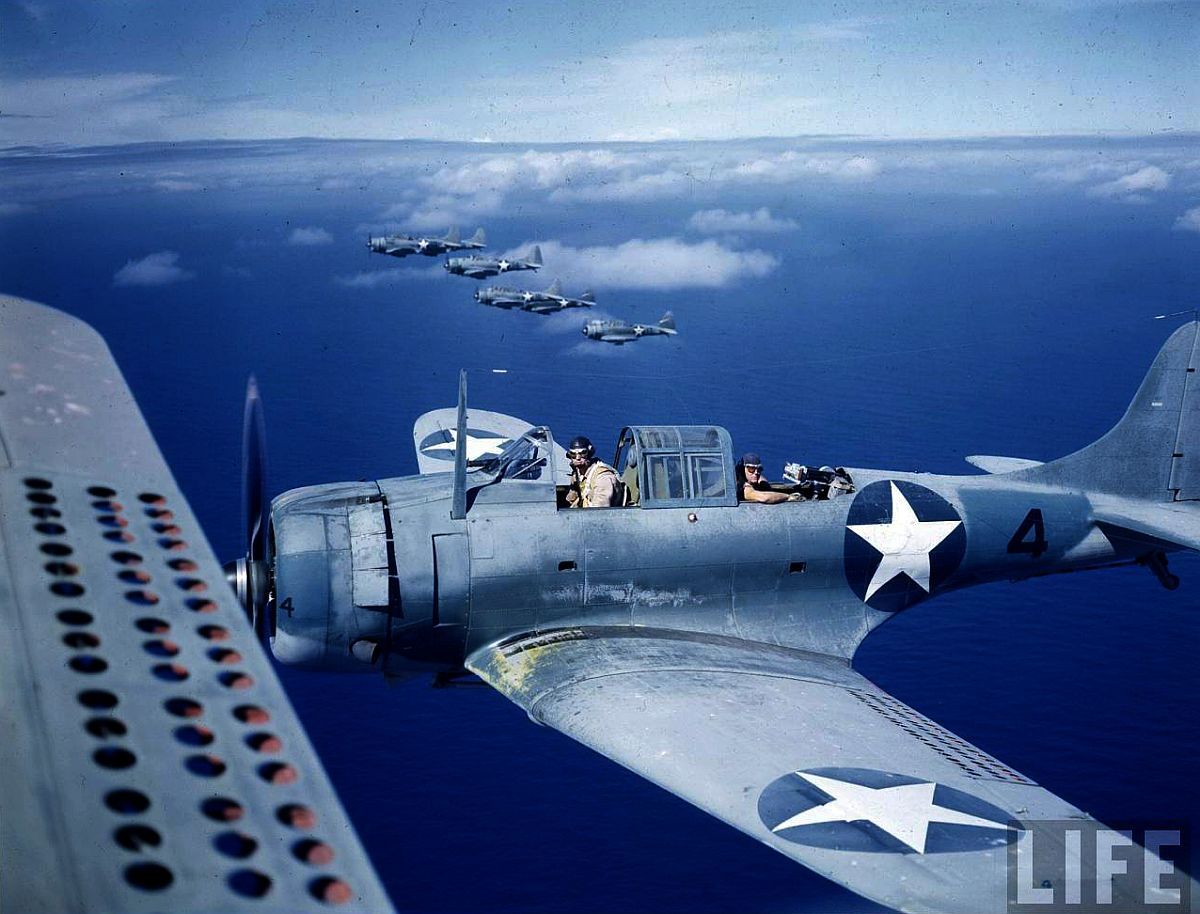
Dauntless 1944 This SBD is from VB-16 the emblem is carried on its nose . "Siggy"
palau44.jpg


At Curtiss factory, Buffalo, NY 1941
curtfactbufflo41.jpg
 

Shandor

Colaborador
Colaborador
11539712_10207202559127469_4810871997569577004_n.jpg


El piloto de caza nocturno con mayor número de derribos, casi todos bombarderos británicos. El 16 de diciembre de 1943 logró una de sus misiones más exitosas, volando en solitario y contra la directiva general que mantenía en tierra a los aviones cuando se presentaba densa niebla y lluvia. Schnaufer y su tripulación de dos despegaron en su Bf110 y lograron 4 bombarderos derribados, incluyendo al llamado "Maestro de Ceremonias", que en cada misión de bombardeo marcaba la zona y dirigía el ataque.
Hans Wolfgang Schnaufer - 121 victorias
 

BIGUA82

VETERANO DE GUERRA DE MALVINAS
Colaborador
Para su conocimiento, se trata de una entrega de HOJAS DE ROBLES SOBRE ESPADAS para la KC, a oficiales NCO, todos aces de la Luftwaffe, de manos del mismo Adolf Hitler en Berghof en marzo de 1944
Miguel
Entiendo por tu aclaracion que son Oficiales de la Luftwaffe provenientes del cuadro de Suboficiales (NCO,siglas en ingles que identifica a los Suboficiales)?
EJD
 

emilioteles

Colaborador
11217168_729208563875605_3106045450917739940_n.jpg

A Churchill III tank of 'Kingforce' during a break of conflict, the Second Battle of El Alamein, 6th November, 1942.
A crew member removes German signal wire that has become entangled in the tank wheels while the remainder of the crew load up on ammunition.

Initially six Churchill III tanks saw deployment in the North Africa Campaign as part of the Second Battle of El Alamein. They were fielded as part of an experiment to see how effectively they would perform in desert combat following their original use in the disastrous Dieppe Raid.

This detachment of Churchill tanks was known as 'Kingforce' and supported the 7th Motor Brigade during the almost month long conflict. The Churchill tanks proved themselves a worthy asset, their thick armour proving almost entirely impenetrable to any anti-tank gun the Germans had.

During the number of engagements over the course of the battle only a single Churchill tank was lost after it sustain in excess of 50 hits (only three of which penetrated).Of the other Churchill tanks of 'Kingforce', two suffered jammed turrets and another lost a track, despite this, none sustained penetrating hits and were able to be returned to service.

Needless to say, the impressive performance of 'Kingforce' lead to its subsequent disbandment and the delivery of an entire Tank Brigade of Churchills soon afterwards which entered combat in early 1943.

The Churchill tanks earnt themselves a fearsome reputation in North Africa and built themselves up an impressive list of achievements in the short time they were in combat there before the German surrender in North Africa in May 1943.
 

emilioteles

Colaborador
11390055_728728680590260_4893182826722722724_n.jpg

A German soldier of the Deutsches Afrikakorps (DAK) somewhere in North Africa, April, 1941. He wears dark goggles and a face scarf to protect himself from the harsh desert conditions.

The Deutsches Afrikakorps was an expeditionary force of the German Army (Heer) that fought in the North Africa Campaign of the Second World War.

The Deutsches Afrikakorps was dispatched to North Africa following the destruction of the Italian 10th Army in Operation Compass. It's primary role was to reinforce the Italians in their defence of their African colonies and prevent a complete Axis defeat, a fate which eventually befell them on May 13th 1943.
 
Arriba