
Estás usando un navegador obsoleto. No se pueden mostrar estos u otros sitios web correctamente.
Se debe actualizar o usar un navegador alternativo.
Se debe actualizar o usar un navegador alternativo.
La Segunda Guerra Mundial en Color
- Tema iniciado Rober D
- Fecha de inicio




Blohm & Voss BV 141 B-07

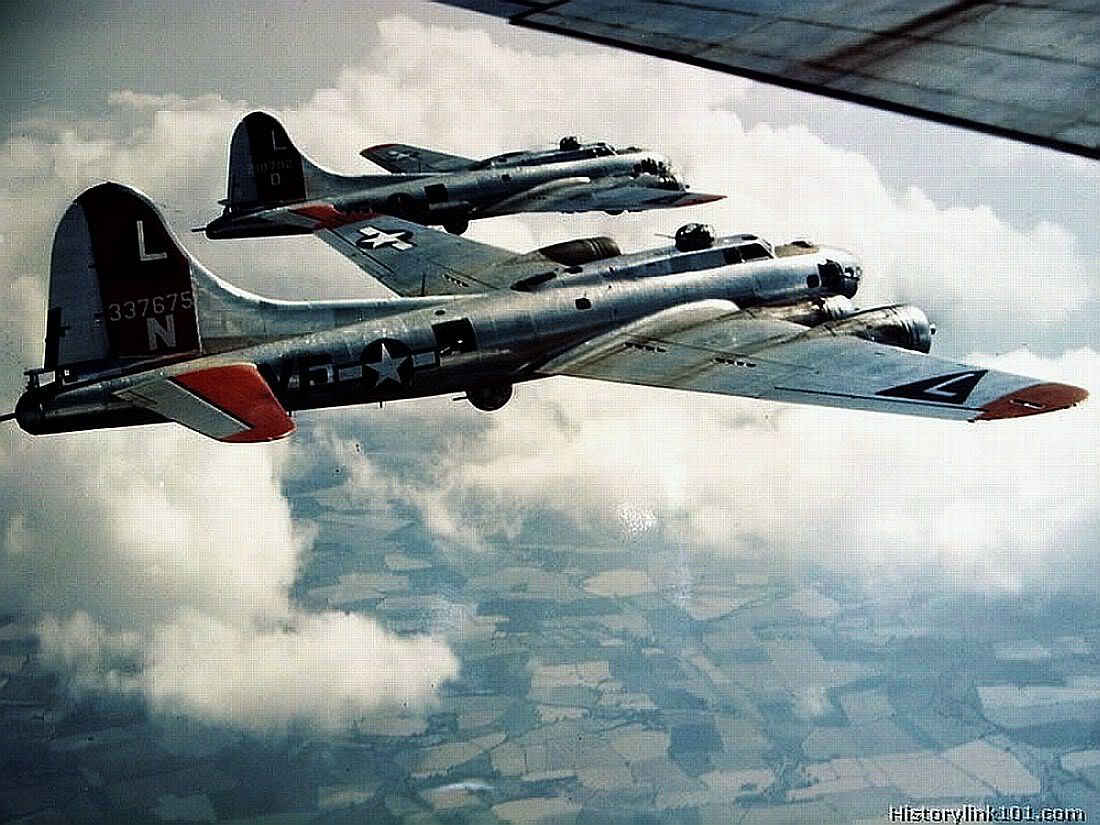
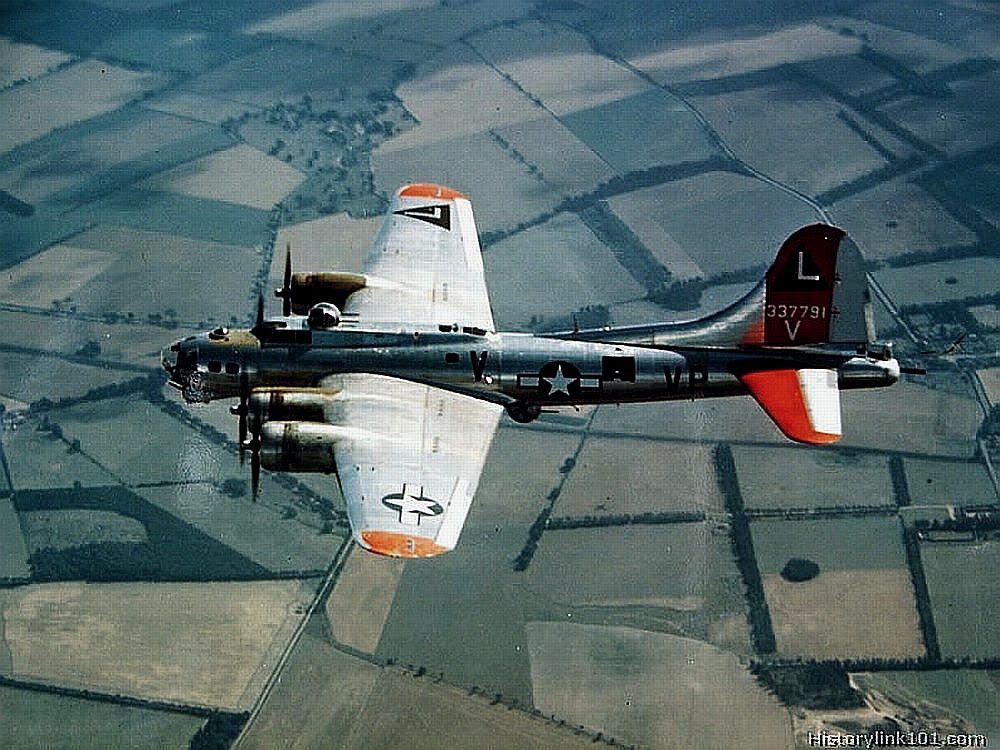
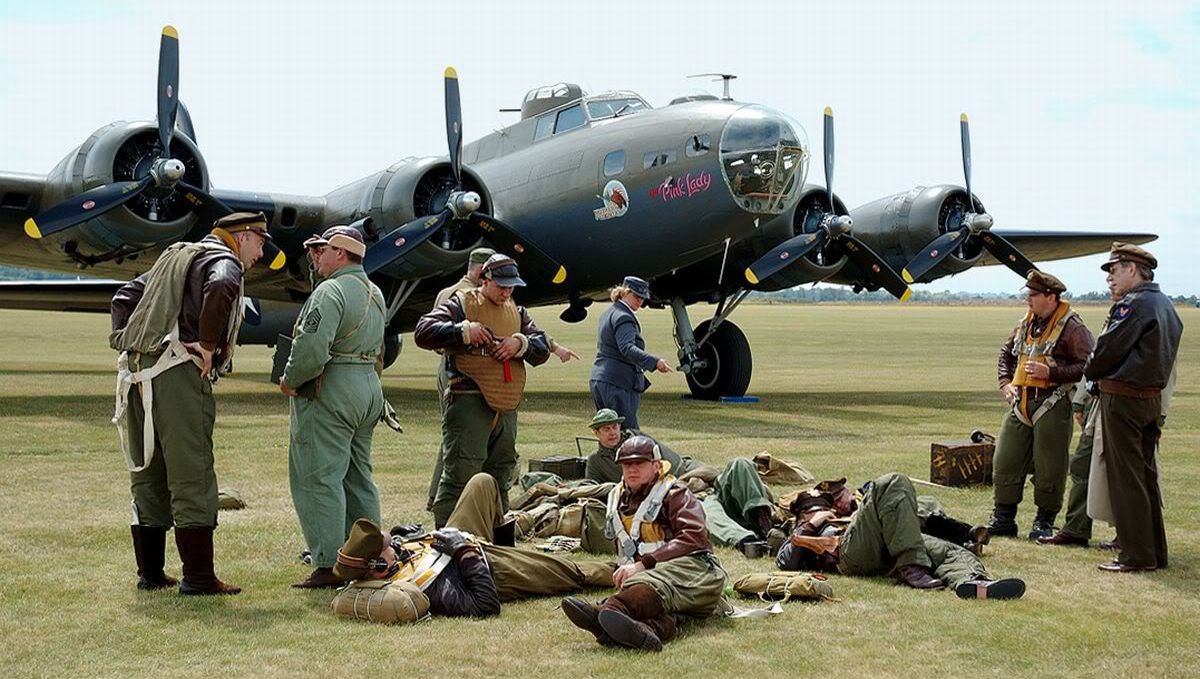
B-17
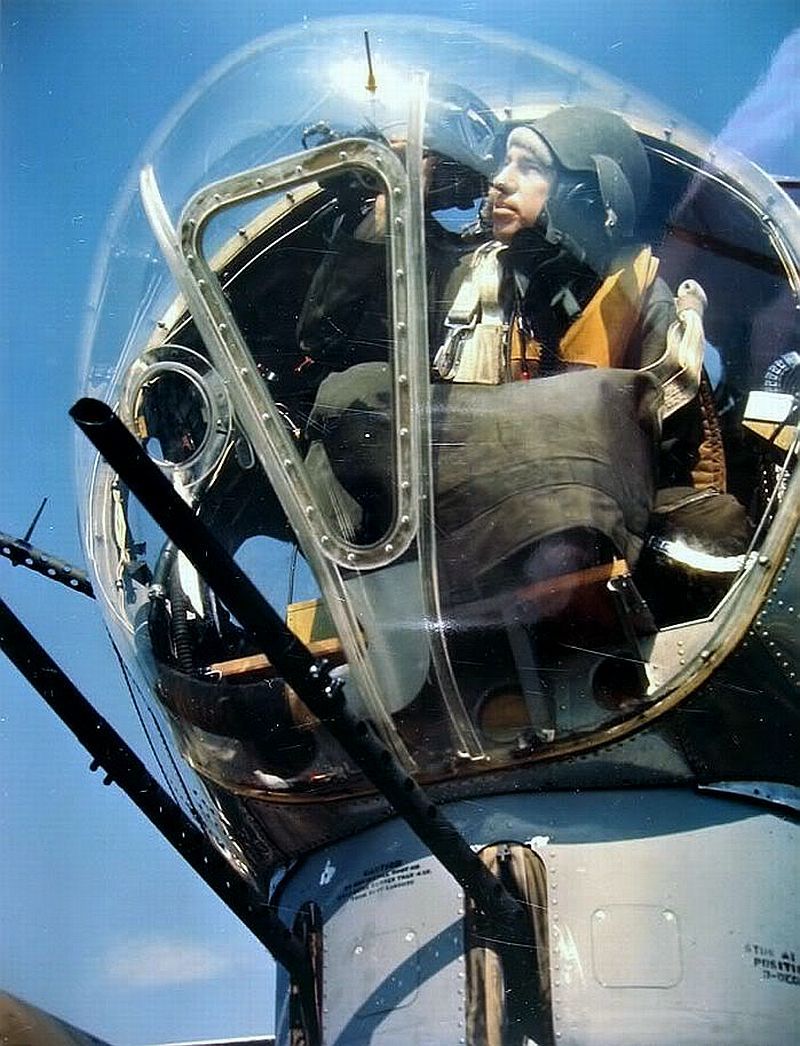
B-17, Langley Fld, Virginia
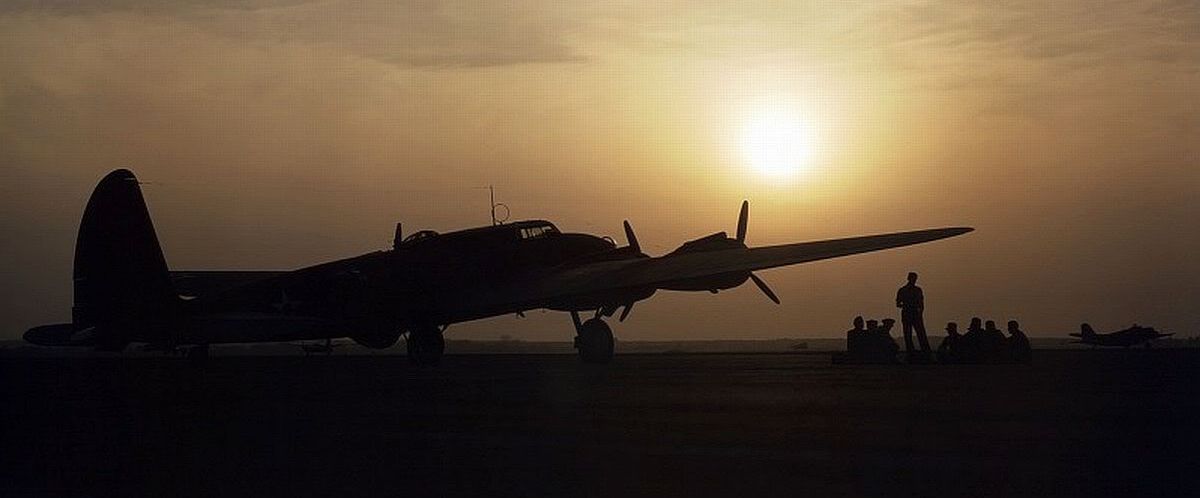
B-17
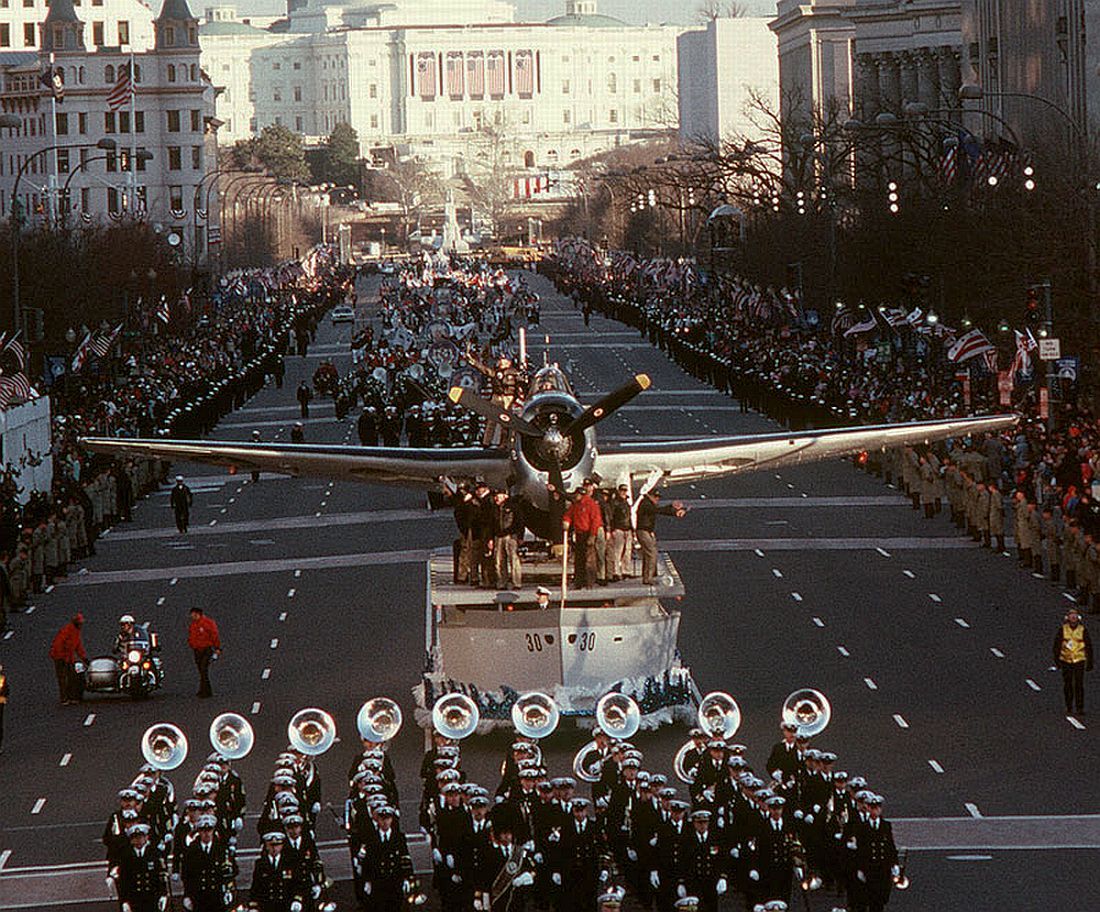
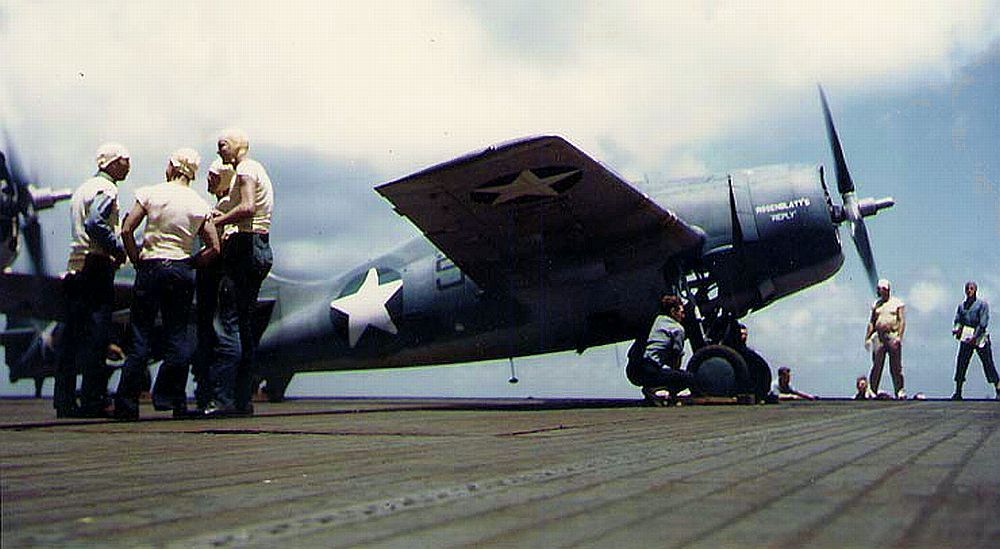
Avenger in parade
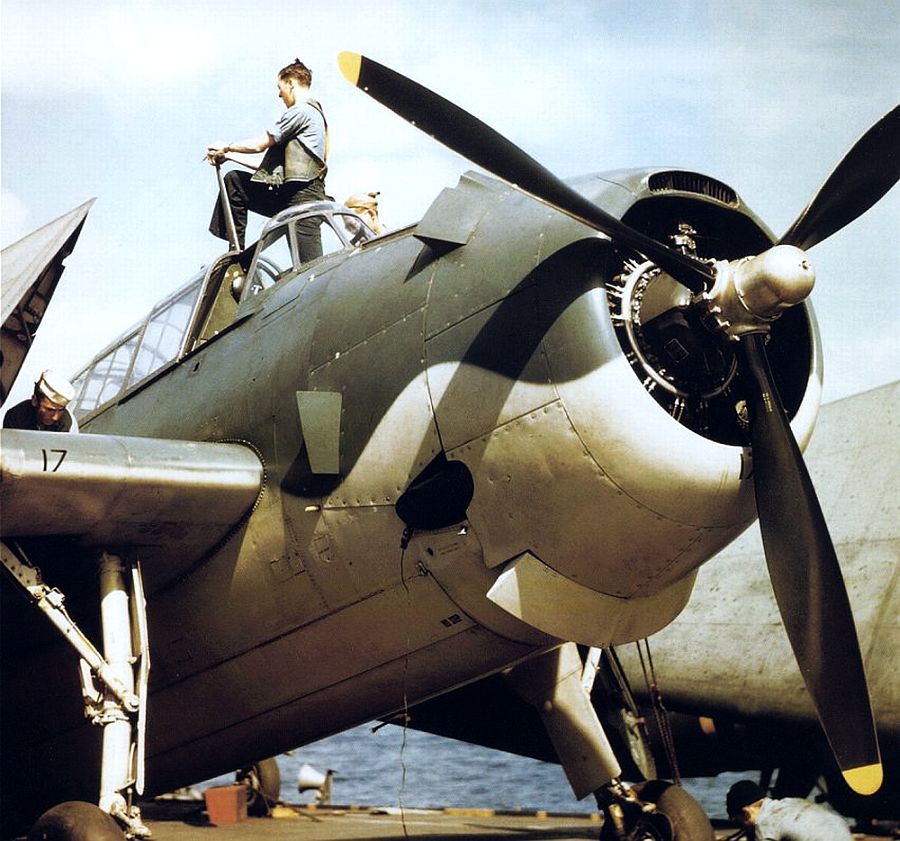
Avenger
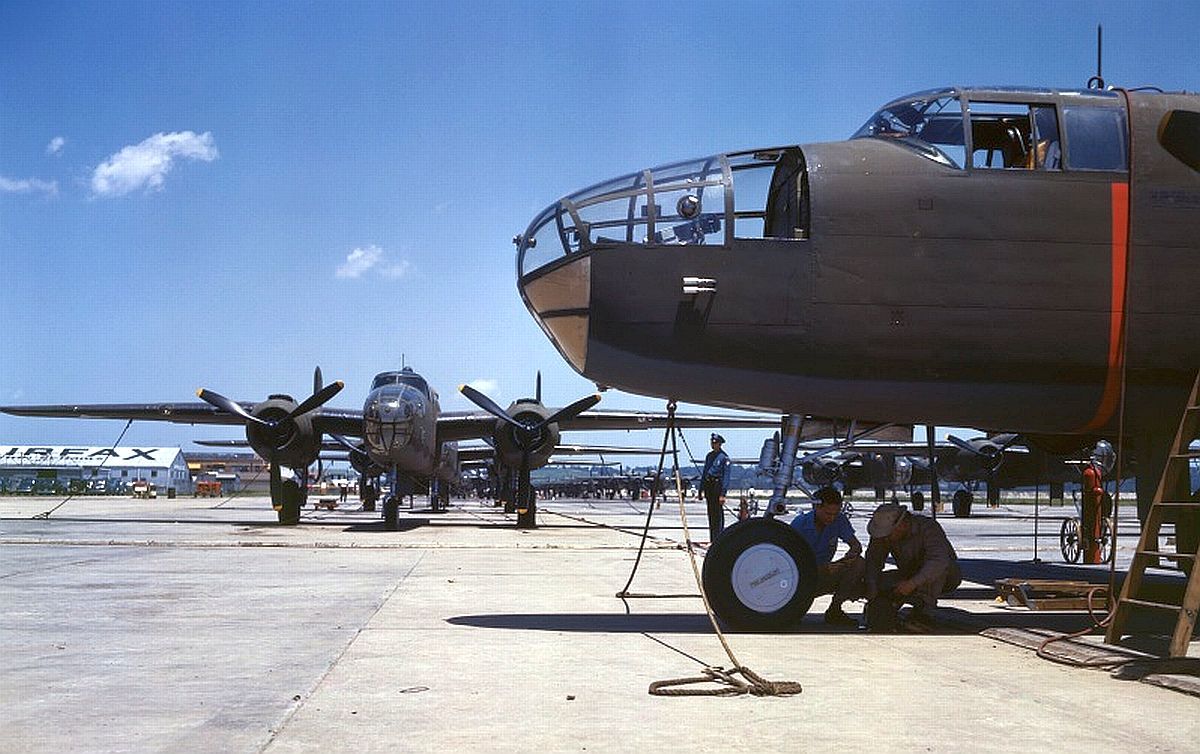
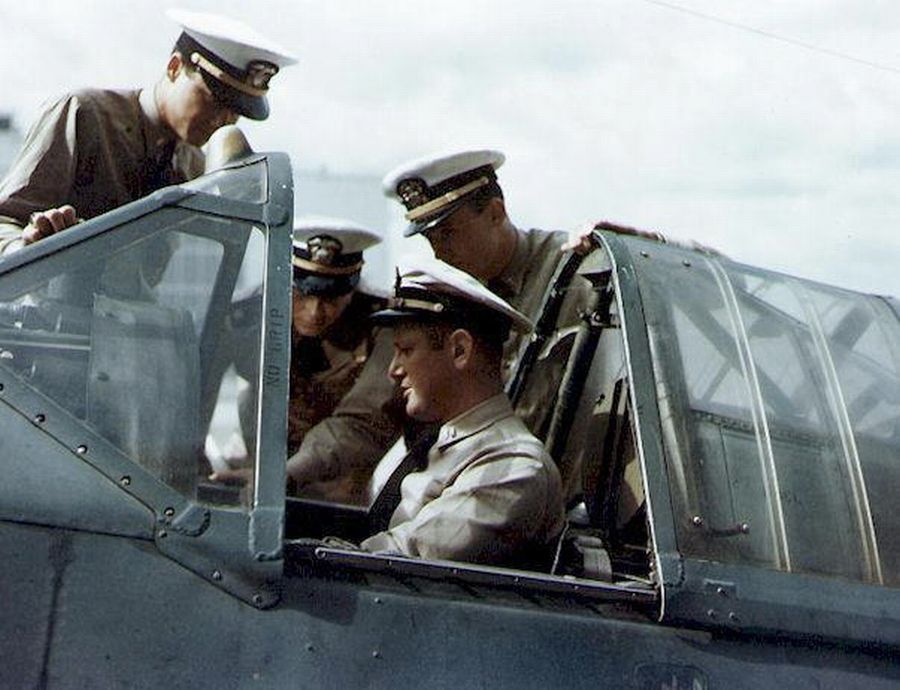
Brewster Buffalo, Miami 1943

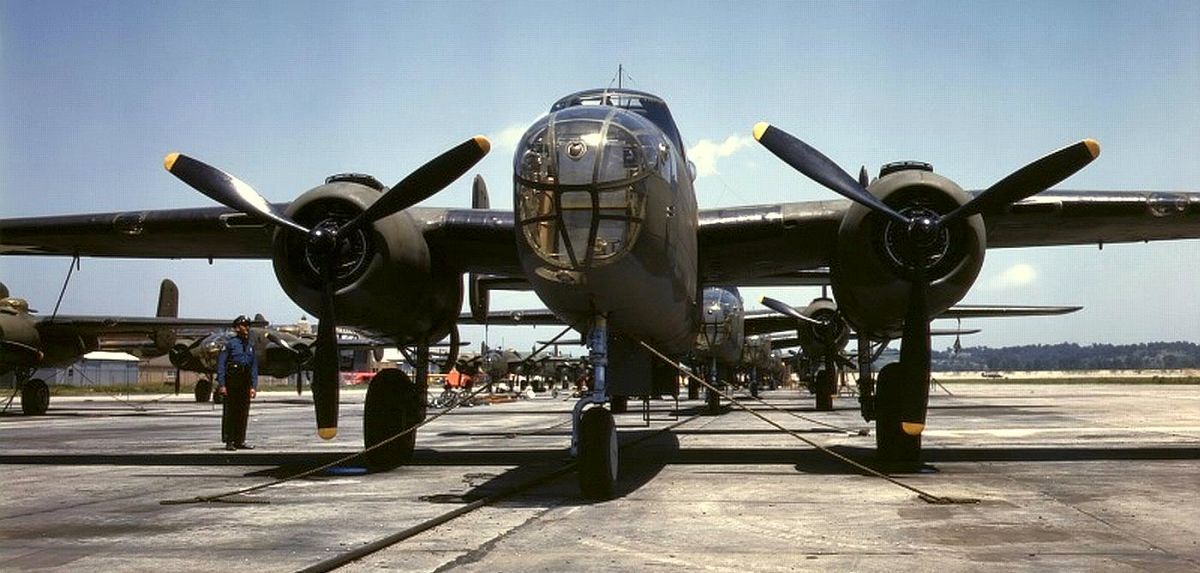
Ground Crew applying "Invasion Stripes" to a Martin Marauder B-26 of 553rd Bomb. Squadron, 386 Bomb. Group at Great Dunmow air base in Essex, sometime between the 3rd and the 5th of June 1944.
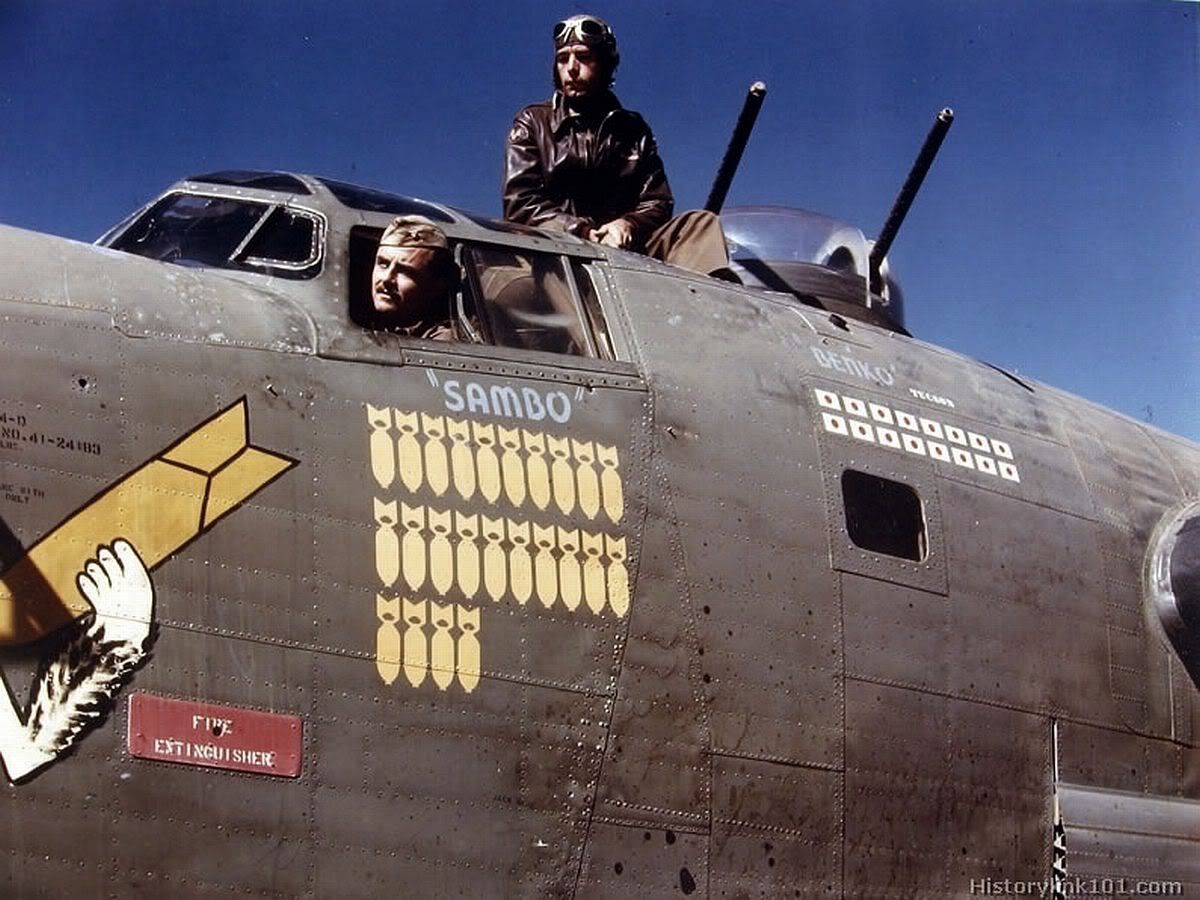
B-24 "Arise My Love and Come With Me"
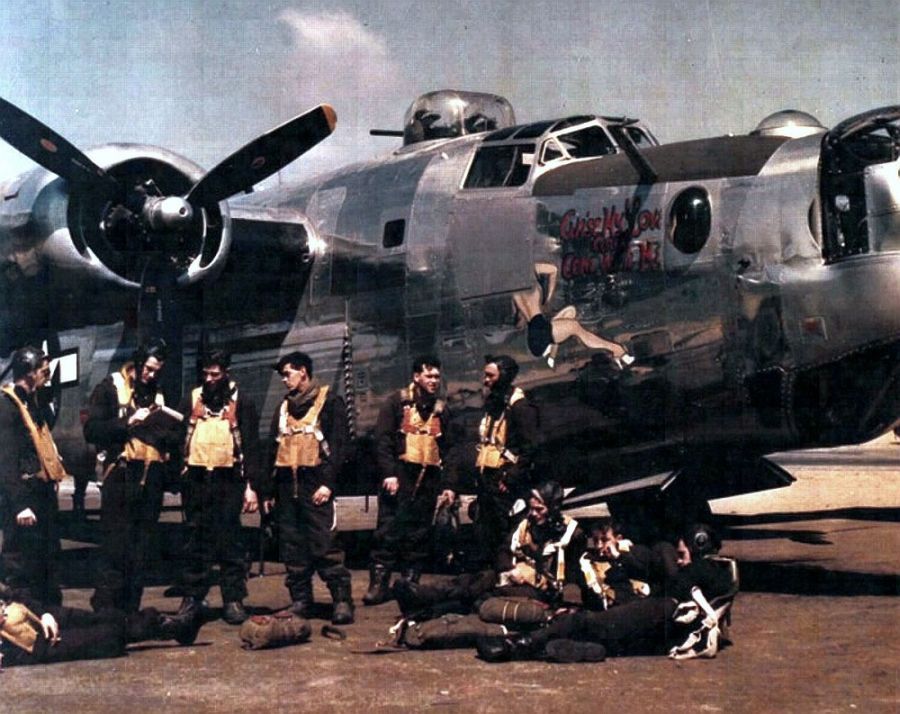
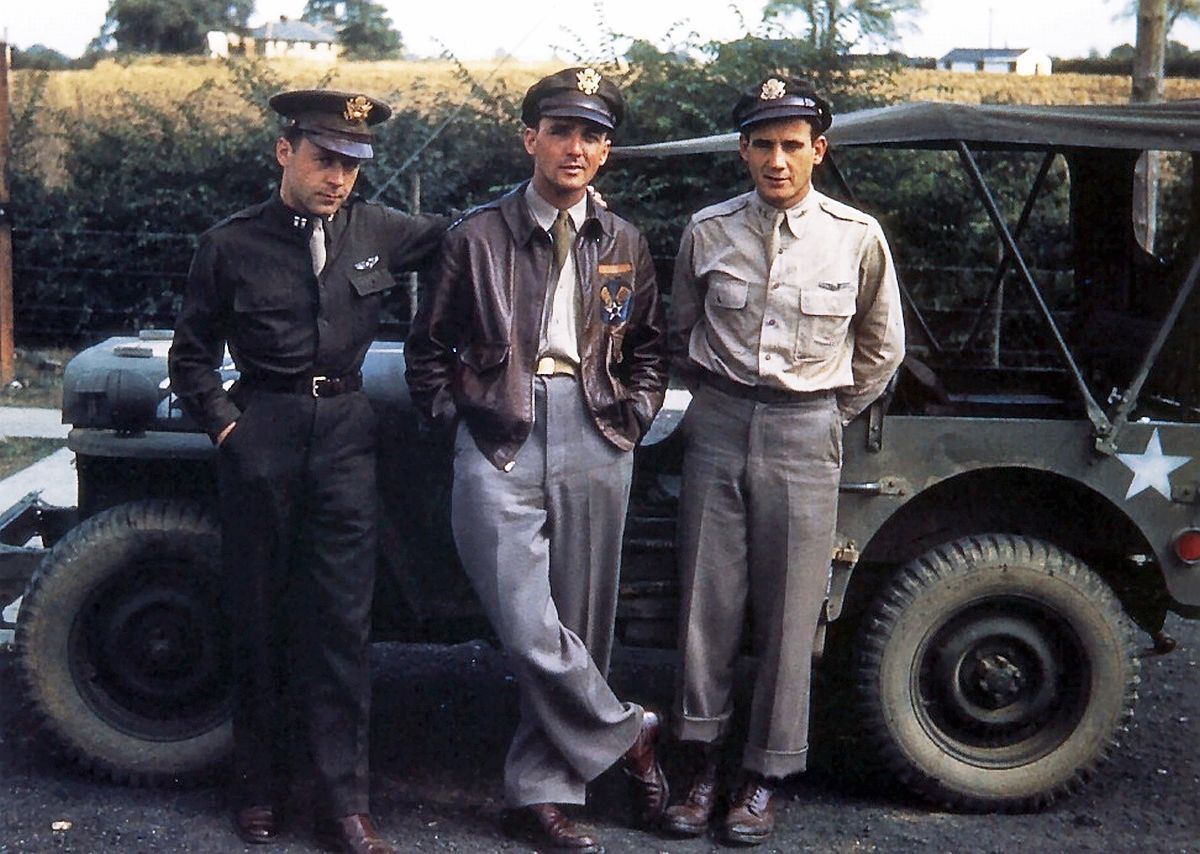
US bomber pilots, Great Sailing, England 1944
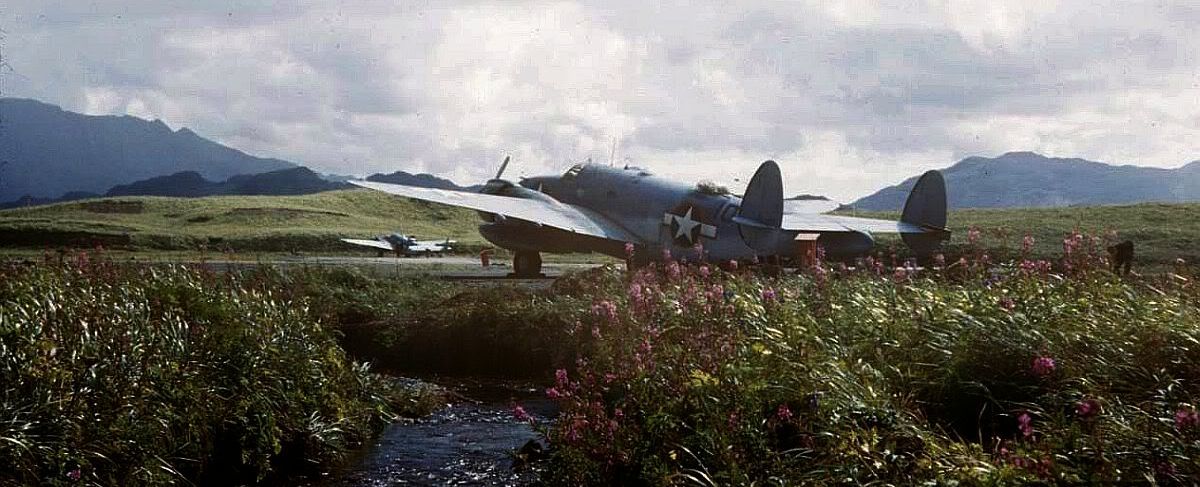
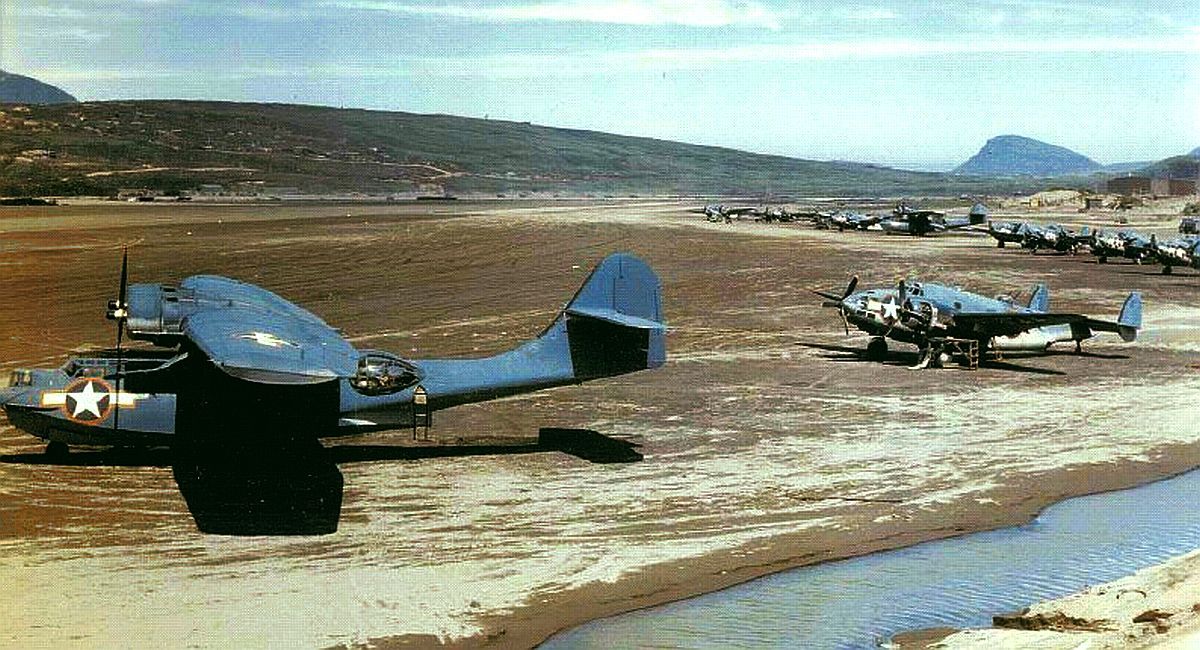
Catalina and Ventura, Aleutians Sept 43
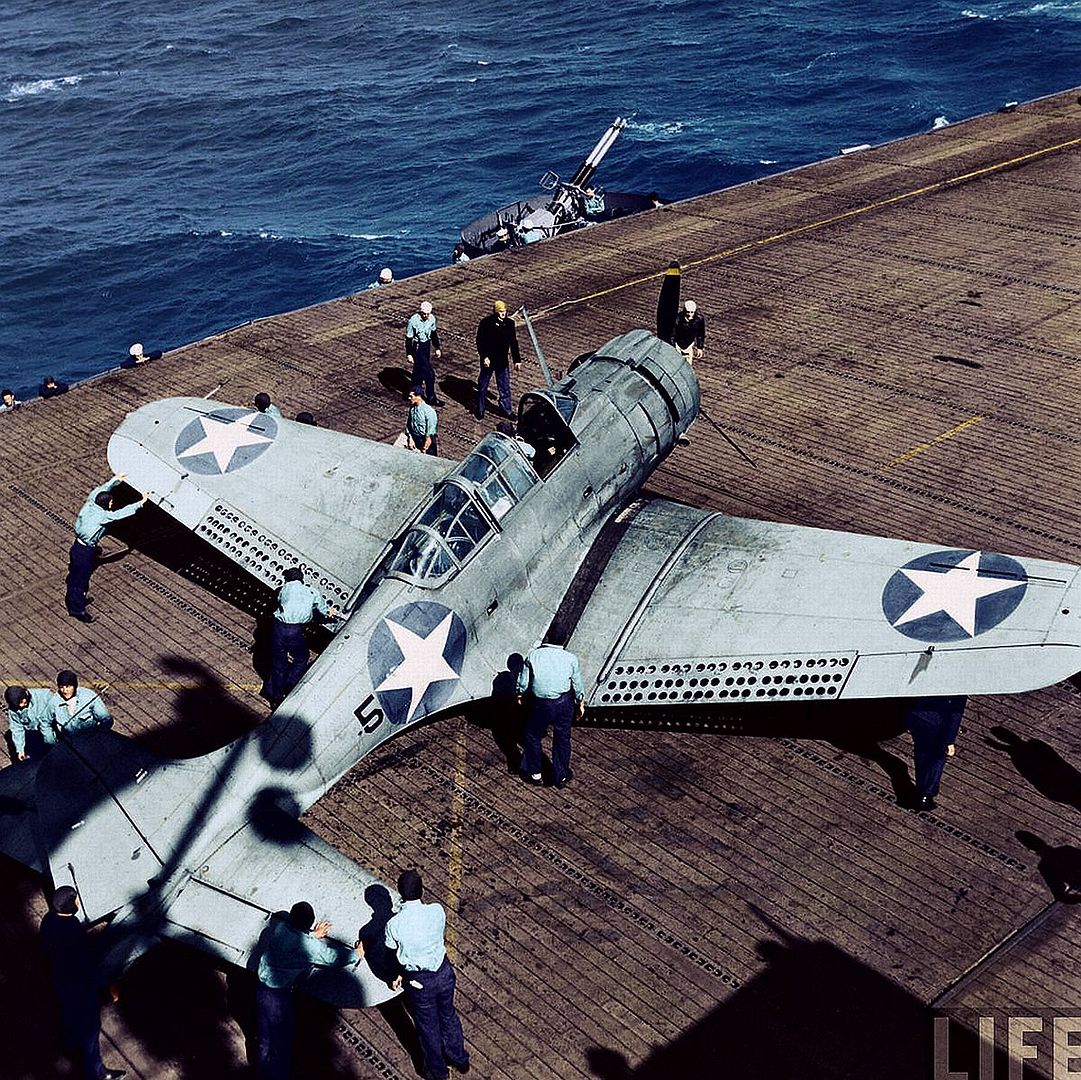
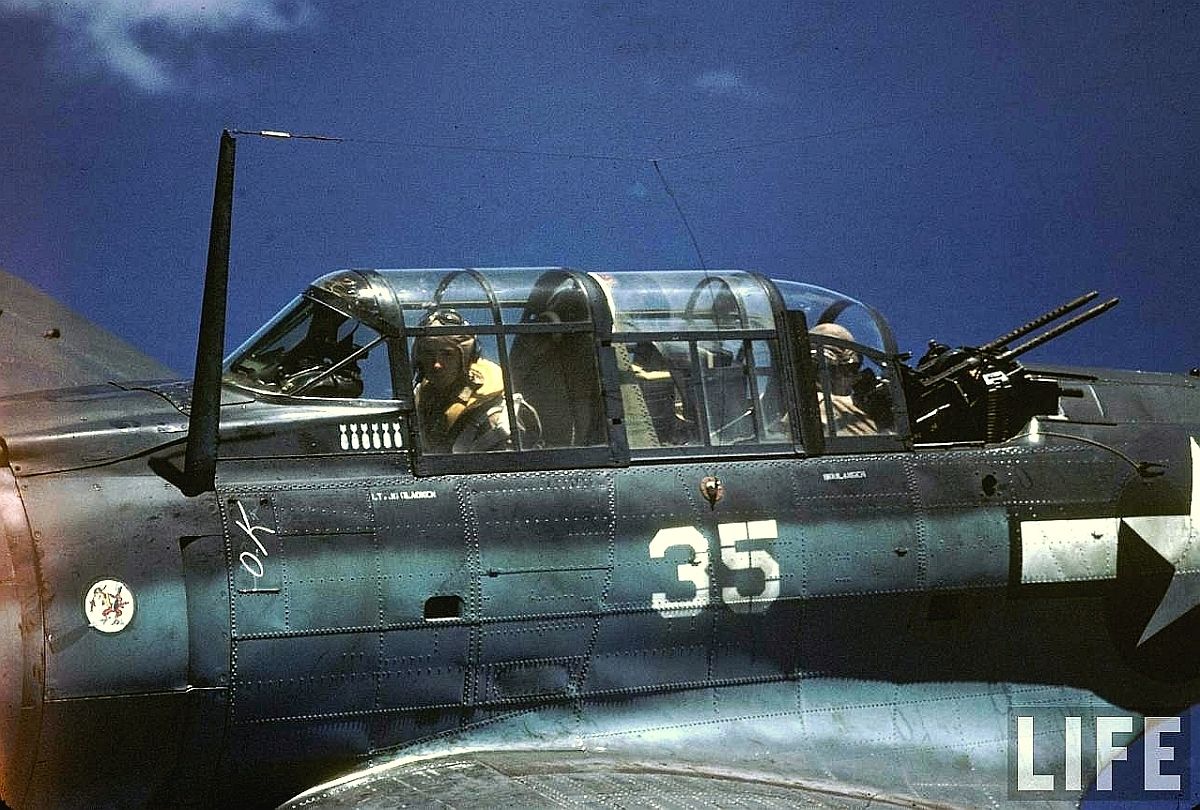
Dauntless
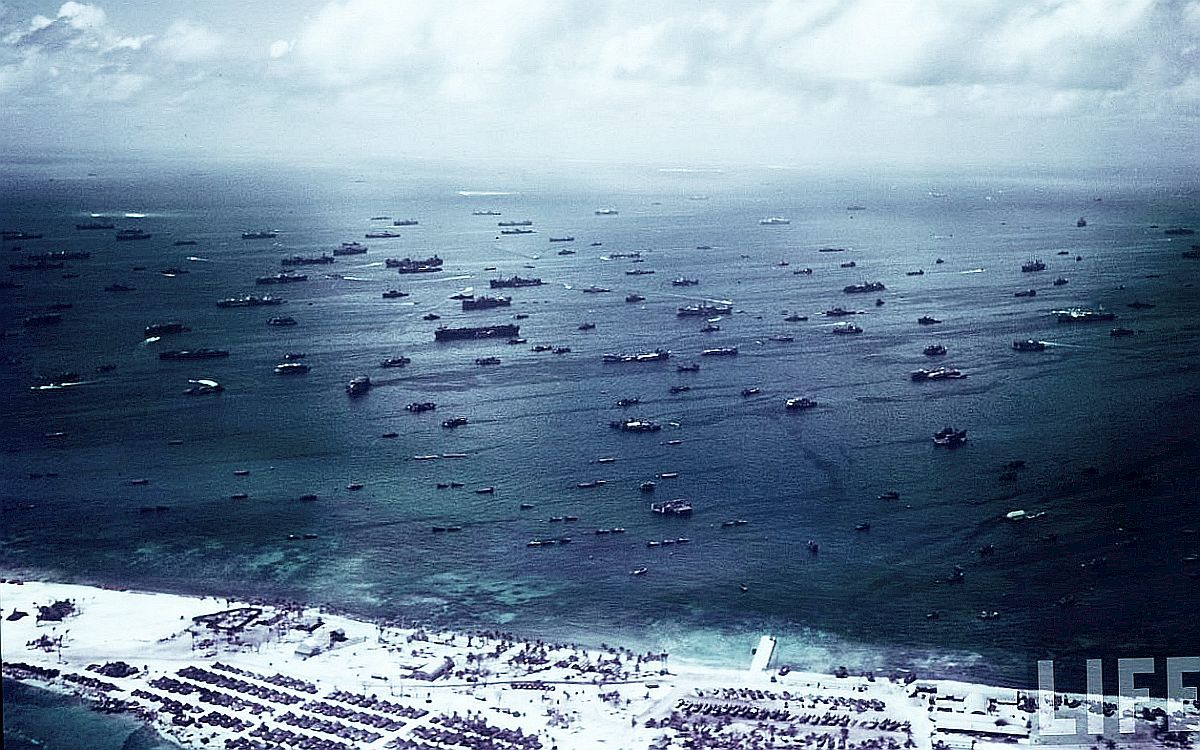
US fleet, Okinawa area 1945
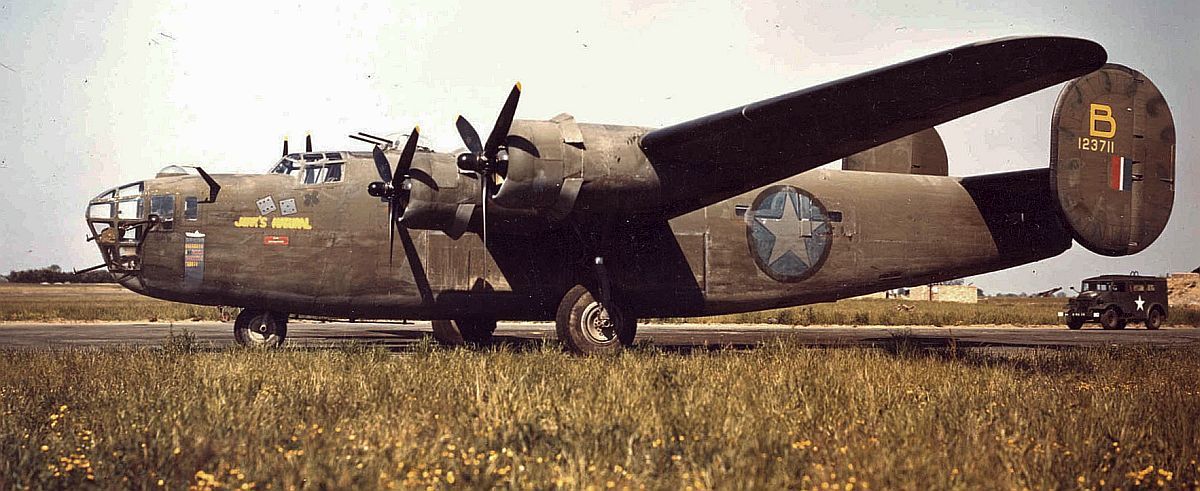
B-24 at Gambut, Libya, Feb 43
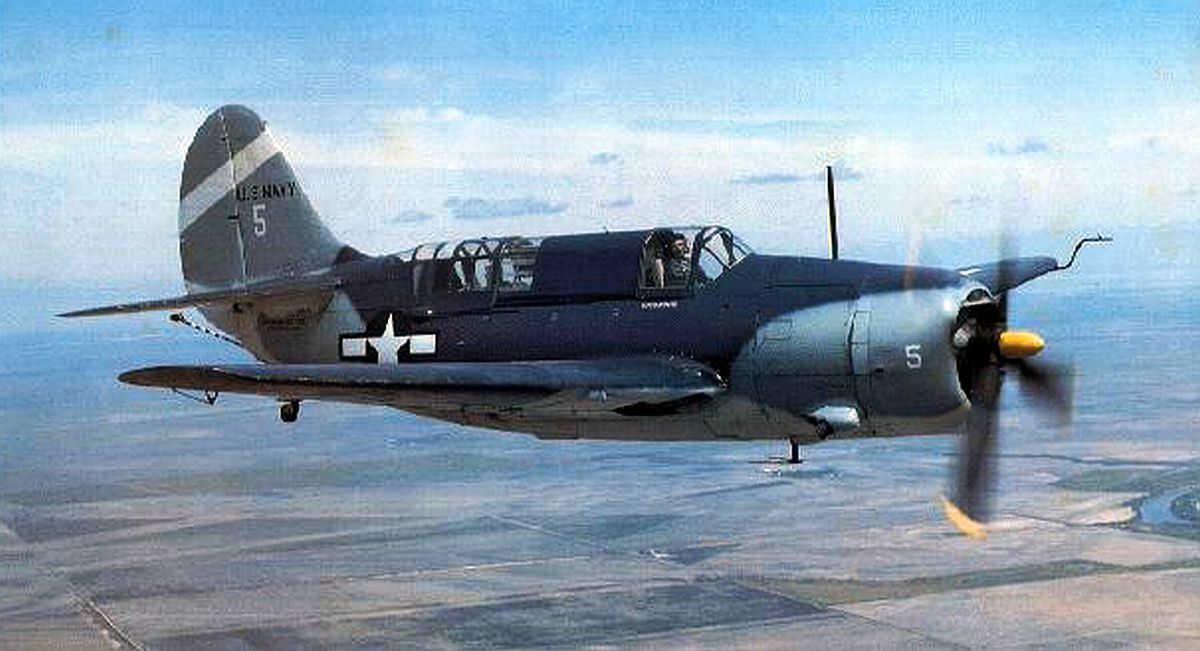
Helldiver, Feb 45


Continuará...
Con la ayuda de Miguel de Jujuy...
Biguà
Última edición:

emilioteles
Colaborador

M4 Sherman (US Army 3099276) of 'A' Company 763rd Tank Battalion and troops from the 96th Infantry Division in battle at Okinawa, April 1945.
emilioteles
Colaborador

Grinning troops of the 29th US Marine Regiment, 6th US Marine Division, hitch a ride on board an M4A3 Sherman 105mm of Company A, 6th Tank Battalion, heading for Chuda in the drive towards Motobu Peninsula, Okinawa. April 5th 1945.
(Nb. the partially dismantled deep wading gear to allow the M4A3 to move through deep water during the landings a few days before.)
The 29th US Marines reached Chuda at 1200 hours on 6 April and threw a line across the isthmus on the road there. In its sector the enemy's destruction of bridges had been inept; frequently only a span of the bridge had been dropped or cracked. The engineers cut hasty bypasses for the vehicles, repairing the broken spans later.
Behind reconnaissance units and tanks the 29th Marines advanced on 7 April into Nago, a medium-sized town nestling in the deep bend where Motobu juts out westward from the island. A spearhead drove north to Taira, cutting Motobu off from the rest of Okinawa; other troops started west from Nago along the coast road to Awa. Here for the first time there was evidence that he troops were meeting not stragglers but outposts of an organized defense, for the marines became involved in a few small fire fights and met some organized rifle fire. They had reached Motobu Peninsula, which for some time was to be the focus of the III Amphibious Corps' effort.

emilioteles
Colaborador

A specially trained unit (Naval Shore Fire Control Party (NSFCP) directs the control of Naval Gunfire with an SCR-284 from a shell hole in Normandy. The Utah Beach NSFCP formed a part of the 286th JASCO (Joint Assault Signal Company) of the 1st Engineer Special Brigade.
The unit consists of a spotting team to adjust fire and a Naval gunfire liaison team to perform functions for the battalion commander.
The soldier on the right is one of approx. 17 Comanche Code Talkers of the 4th Signal Company, U.S. 4th Infantry Division. He is likely taking tactical calls-for-fires on his SCR-536 (AKA BC-611), relaying from a nearby infantry unit in-contact. Note that he and the soldier in the foreground are armed with the M1 Carbine, the latter looking like a folding-stock paratrooper weapon. The GN-45 hand cranked generator “cranker” probably has a Carbine slung across his back as well. Also note the M1903 bolt action Springfield rifle in the background; an unusual weapon for a team like this.
Here, the radio is placed on the ground without the legs – not needed here. There appears to be a spare BA-38 battery for the Handy Talkie laying on the radio’s operating table (dark, long rectangular object). The cluttered table may indicate the CW key is not in use – Voice mode possibly? Those comms. out to the ships on the “gun line” would have been numerically coded with the target coordinates and ammunition type requested for that target. No M-209 encryption machine is visible – they probably had one. It appears the operator is writing in a message book, probably an M-210. He appears to be wearing headphones under his helmet – likely an HS-30; no speaker evident. Note the (five?) unused antenna sections in the carrying bag behind the operator. Either “spares” or they wanted to keep a low profile without a long whip antenna advertising “AIM HERE”.
emilioteles
Colaborador

Three US infantrymen advance at a crouching run using a Bocage hedgerow and embankment as cover. This picture shows to advantage the close nature of fighting in Normandy bocage country where the Germans became adept at digging into these hedgerows turning each field into a potential ambush.
June/July 1944.
emilioteles
Colaborador

German soldiers with a Panzerbüchse 39 “tank hunting rifle model 39” on the Eastern Front. c.1941
Panzerbüchse 39
The Panzerbüchse 39 (PzB 39) was an improvement made by the manufacturer Gustloff Werke on their PzB 38. It also used a vertical breech block mechanism and the same cartridge as the PzB 38. It retained the barrel of the PzB 38 and had an only slightly increased overall length of 162.0 cm (5 ft 3.8 in); weight was reduced to 12.6 kg (28 lb). Performance was basically the same as that of the PzB 38. To increase the practical rate of fire, two cases each containing 10 rounds could be attached to the sides of the weapon near the breech - these were not magazines feeding the weapon, but merely put the cartridges closer to hand for the gunner. 568 PzB 39 were used by the German army in the invasion of Poland; two years later, at the beginning of the war against the USSR, 25,298 PzB 39 were in use by German troops. Total production from March 1940 to November 1941, when production ceased, was 39,232 rifles. The PzB 39 remained in use until 1944, by which time it had become hopelessly inadequate against all but the lightest armoured vehicles..
emilioteles
Colaborador

USAAF Capt. Dewey E. Newhart
"Mud N' Mules" Republic P-47D-15-RE Thunderbolt LH-D s/n 42-76141
350th Fighter Squadron, 353rd Fighter Group, 8th Air Force
Capt. Newhart was killed in action on the 12th of June 1944 during a mission over Northern France.
He was leading the squadron down to strafe an enemy truck convoy near Saint-Saëns, Normandy when he was jumped by 8-10 Bf.109s whilst flying a P-47D LH-U(s/n 42-26402) named "Soubrette", he was hit and radioed that he was attempting to make landfall.
Before he could escape, he was attacked by two more fighters, and was shot down and killed.
The pictured aircraft was re-assigned to Capt. Lonnie M. Davis who renamed it "Arkansas Traveler" but retained the mule artwork out of respect for Newhart.
emilioteles
Colaborador

D-Day + 6
Jeeps of the 261st Amphibious Medical Battalion's A-Company race across Utah Beach to deliver front line casualties to the
 Landing Ship Tank USS-134 for transport to hospitals in Great Britain. 12th June 1944.
emilioteles
Colaborador

On the 21st of June 1941 in the Kufra District of Cyrenaica in Libya, men of the 4th Division (Indian), veterans of the bloody battles of Halfaya Pass, in Egypt, decorate the side of their vehicle with the caption, "Khyber Pass to Hellfire Pass," reflecting their service in another tenuous part of the world, Afghanistan.
"Hellfire Pass" was the nickname for the strategically important Halfaya Pass in Egypt near the Libyan border, fortified by the Germans and which the Allies attacked unsuccessfully, during Operation Battleaxe of the Western Desert Campaign.
The campaign was an Allied operation in June 1941 with the goal of clearing eastern Cyrenaica in Lybia of Axis German and Italian forces.

emilioteles
Colaborador

Major General Erwin Rommel, and an early Panzer IV (Nº321) of the 7th Panzer Division in France, May 1940.
Erwin Rommel, is pictured here with his Leica III rangefinder camera. Rommel is reported to have been given such a camera by his friend/patron, Joseph Goebbels, before the 1940 Western campaign; many 'photos of his authorship or probable authorship survive, and crop up with a fair degree of frequency in propaganda/publicity contexts.
Rommel and the German 7th Panzer division in France 1940
He was given the command in the place of the both older and more experienced commanders.
Inevitably, any account of the German 7th Panzer Division’s actions in France, 1940, to a large extent involves Erwin Rommel. Nevertheless, Rommel often showed audacity and never hesitated to take command of a situation no matter how big or small. He was a man of action, and it seems that he often reacted in a spontaneous and somewhat impulsive manner. His style of command and personality characterized much of the actions of the division.
At the time of the campaign in France, Germany did not possess an overwhelming military strength. The Germans had 135 divisions compared to 151 for the allied side. Germany had some 2500 tanks while the allies had more than 4000. The German tanks were not technically superior to those of the allies. Only in the air did the Germans have superiority both in
numbers of aircraft and in their technical performance.
The German superiority, instead, lay in their tactics with narrow and deep penetrations. The Germans only had 10 Panzer Divisions, but they were used with a devastating effect when they were concentrated on a narrow front.
emilioteles
Colaborador

Mostrado aquí es una columna de infantería mecanizada de la 7 ª división panzer, comandado por el general erwin rommel, cruzando el canal del somme entre hangest-sur-somme y condé folie durante el avance en francia durante los últimos días de mayo de 1940. La foto fue tomada por rommel a sí mismo.

emilioteles
Colaborador

GRUMMAN AVENGER / TARPON (ROYAL NAVY)
Diseñado como sustituto del DOUGLAS DEVASTATOR y tras un catastrófico debut en junio de 1942,el TBF AVENGER se convertiría en el más importante torpedero de la US NAVY durante la II GUERRA MUNDIAL.La producción total alcanzó los 9839 ejemplares en muy pocas versiones,y este modelo también fue usado por la ROYAL NAVY,en sustitución de sus biplanos ALBACORE.El modelo inicial tenía un motor radial R-2600-8 de 1700 hp y fue construido por GRUMMAN y GENERAL MOTORS como TBF-1 y TBM-1.La ROYAL NAVY recibió 402 TBF-1 con la designación inicial de TARPON ( luego AVENGER MK I ) .Se construyeron versiones con dos armas adicionales en el ala,con la designación de TBF-1C y TBM-1C;los británicos recibieron 334 de esta última como AVENGER MK II.
especificaciones:torpedero triplaza GRUMMAN (GENERAL MOTORS) AVENGER MK III
envergadura:16,51 m.
longitud: 12,48 m.
planta motriz: un motor radial WRIGHT R-2600-20 CYCLONE 14 de 1900 hp.
armamento:tres ametralladoras de 12,7mm,una de 7,62mm y un torpedo o hasta 907 kg de bombas en la bodega ,o bien ocho cohetes subalares de 27 kg.
peso máximo en despegue:8117 kg.
velocidad máxima:276 mph a 16500 pies.
alcance operacional:1010 millas .
emilioteles
Colaborador

MUSTANGs escoltado una formación de B-25 de la 14ª FUERZA AÉREA en CHINA , 1945 .
emilioteles
Colaborador

emilioteles
Colaborador

Temas similares

- Respuestas
- 17
- Visitas
- 12K

- Respuestas
- 143
- Visitas
- 21K

- Respuestas
- 96
- Visitas
- 21K

- Respuestas
- 223
- Visitas
- 34K

