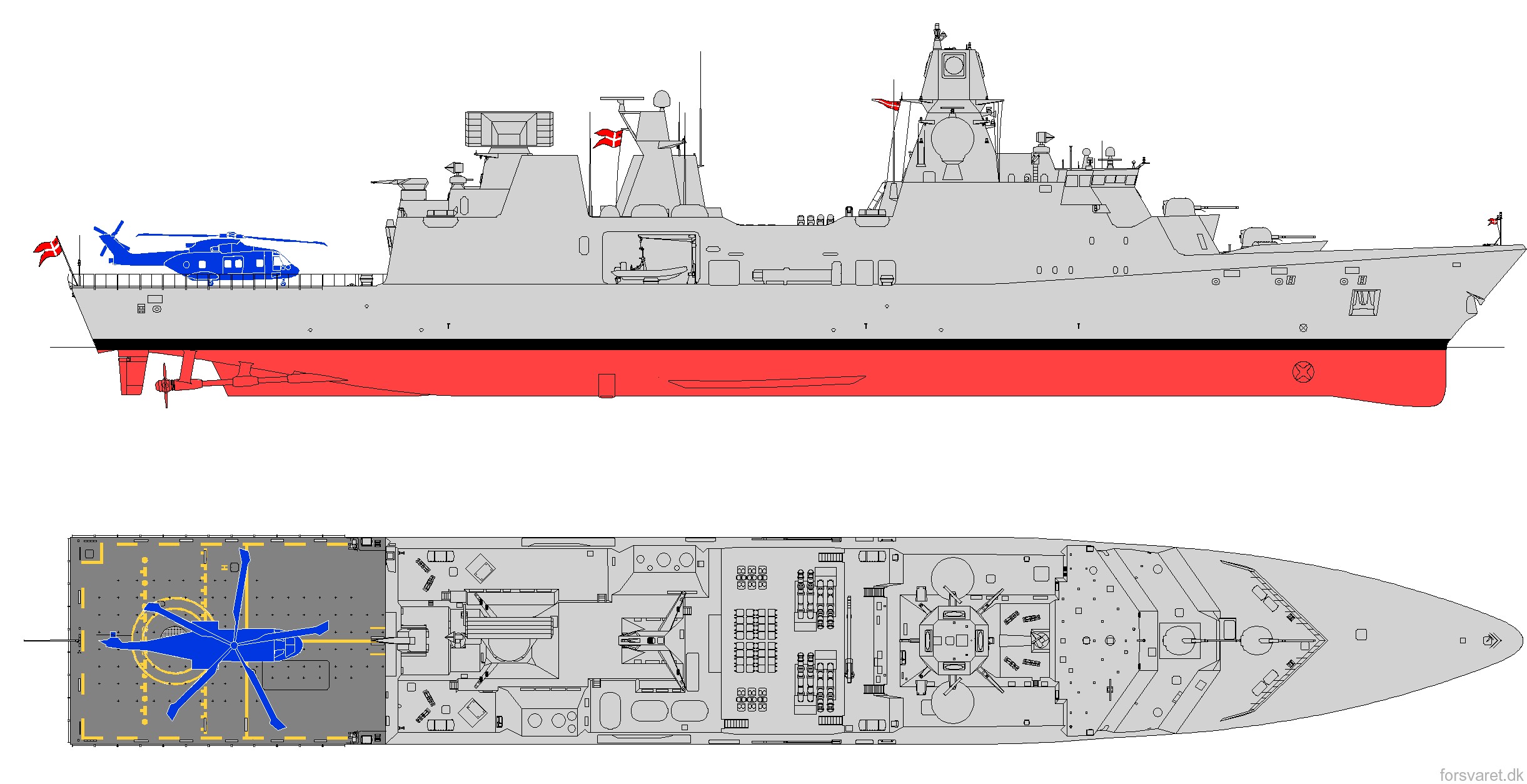
This leaves the Block IIIA-variant, which is required by users of the European APAR active phased array-radar. These include Germany, the Netherlands and Denmark on their F124, LCF- and Iver Huitfeldt-class frigates respectively. APAR is an X-band-radar and requires a respective downlink guiding SM-2. APAR in this context is different to AN/SPY-series radars used with the AEGIS-combat system, which make use of the S-band. The X-band downlink for APAR is also different to the solution used for Zumwalt. The AN/SPY-3 used on these destroyers performs SM-2 guidance via its Joint Universal Weapon Link (JUWL).
From 2028 the Netherlands intend to upgrade at least two of their four LCF-frigates to the APAR Block 2-configuration.
This includes JUWL-support, and therefore a notional capability also for SM-2 Block IIIAZ.
Germany currently has no intention modernizing APAR beyond the already scheduled upgrade for F124. The German Navy therefore faces an obsolescence-dilemma for their SM-2 supply, as does Denmark. While longer term-solutions including JUWL-adaption similar to the Dutch effort remain possible, this will not resolve Berlin’s immediate stockpile woes.
According to SIPRI Germany originally ordered 108 SM-2 Block IIIA missiles between 2003 and 2005. Berlin does not appear to have made any follow-on purchases since then. Accounting for missiles expended in exercises
Naval News estimates around 70 SM-2 from the original order remain available. Such an amount is sufficient for one combat load for each of the three F124 frigates. This estimate is based on 24 interceptors carried in addition to 32 ESSM quad-packed into the remaining cells.