Arqueología militar: Desenterrando el pasado

La arqueología militar y del campo de batalla siempre ha sido vista como una subdisciplina de la arqueología histórica tradicional. Hoy en día, la arqueología militar, que alguna vez fue considerada la actividad de los eruditos profesores de historia y sus discípulos, ha florecido en todo el mundo hasta convertirse en lo que sólo puede describirse como un pasatiempo enormemente popular y, en algunos casos, un negocio multimillonario.

Con las tecnologías disponibles hoy en día, incluso el estudiante con el presupuesto más modesto puede convertirse en arqueólogo (aunque sólo sea en el término del profano). Cómo los detectores y los grandes hallazgos mejoran nuestra comprensión de la historia es una valiosa adición al análisis militar y literario de la arqueología de la guerra desde el levantamiento de Boudiccan hasta la invasión de Irak de 2003.

miTBt6J.jpeg

1450987800143815683.jpg

1450987906166185431.jpg


imageresize.php
 

Shandor

Colaborador
Colaborador
Sacan de un río ruso un tanque perdido en la Segunda Guerra Mundial, ¡y podría volver a arrancar!


La máquina, que ha permanecido bajo el agua durante más de 70 años, se ha hallado en un buen estado de conservación y hasta puede volver a funcionar.

57876e64c3618808358b4577.jpg

Sputnik


Este jueves se ha sacado del fondo del río Don (en la región rusa de Voronezh) un tanque T-34-76 de la Segunda Guerra Mundial, informa TASS. El peso del tanque, que fue fabricado en la primavera o en el verano de 1942, es de unas 30 toneladas.


57876e80c361882e358b4585.jpg

Sputnik


"El tanque descubierto en abril de 2016 en el curso de operaciones de búsqueda llevadas a cabo por el personal del parque Patriot (parque recreativo patriotico-militar de las Fuerzas Armadas rusas cerca de Moscú) es el único modelo conservado de este tipo de entre 600 y 1.000 máquinas fabricadas que fueron entregadas a las unidades militares desde los talleres de la fábrica de tractores de Stalingrado", explica el jefe del departamento de investigación, reparación y restauración de los objetos expuestos en el parque Anatoli Kalemberg.


57876e6ec46188cf1f8b4583.jpg

Sputnik


El T-34 se encontraba a una profundidad de 6-7 metros no muy lejos de la orilla. De acuerdo con datos preliminares en el interior del tanque no había municiones ni restos de los miembros de la tripulación.

57876e73c3618815358b457b.jpg

Sputnik


"El T-34-76 podría arrancar de nuevo"
La máquina, que ha estado bajo el agua durante más de 70 años, se ha conservado en muy buen estado, sostuvo Kalemberg. El jefe del departamento de investigación, reparación y restauración de los objetos expuestos en el parque Anatoli Kalemberg admitió asimismo que la restauración del tanque tomaría bastante tiempo. Sin embargo, expresó su esperanza de que se pueda hacerse y lograr que el tanque vuelva a desplazarse.

Se cree que el tanque fue hundido en el año 1942 para que los enemigos no se hicieran con él. La máquina será expuesta en el parque Patriot.
https://actualidad.rt.com/actualidad/213127-rusia-levantan-tanque-guerra-rio
 
WWII Stug wreck – recovered from a river bed in Poland, was running a year later
Aug 2, 2016

4OXzxuEu.jpe


SHARE:FacebookTwitter


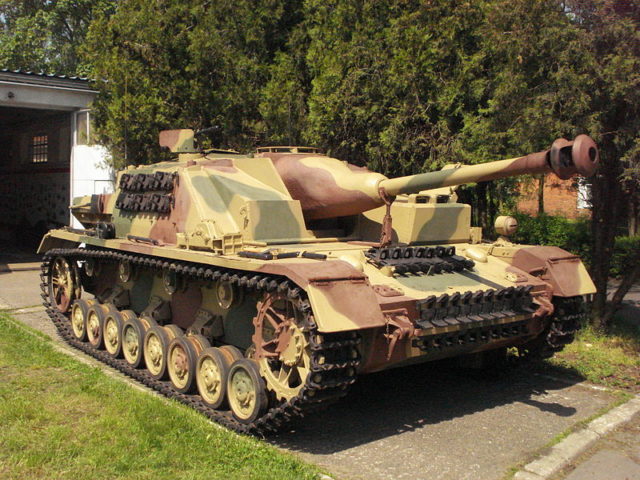
German StuG IV Sturmgeschütz 75mm Tank Destroyer at the Armoured Weapons Museum, Land Forces Training Centre, Poznań, Poland.

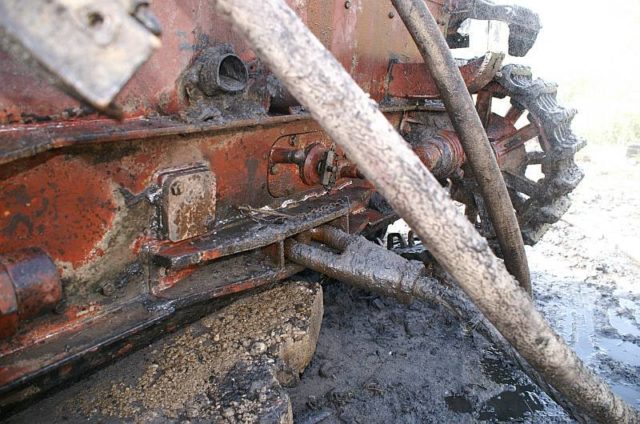
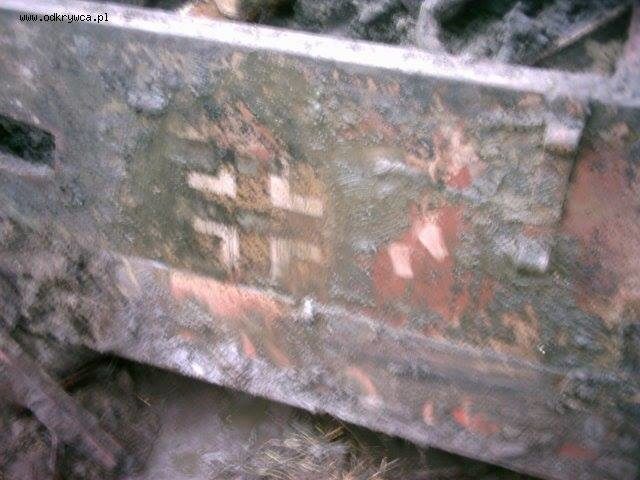
On the 18th January 1945, German forces were retrating back westward as the 1st Belorussian Front was marching towards them. The armored column was spread out and two German tank destroyers were traveling in the direction of Koło on the embankment of the railway. One of the Stugs had a mechanical failure and had to be abandoned. As the German always tried to destroy it’s armor if they had to abandoned it then this was the fate of this broken down Stug too.

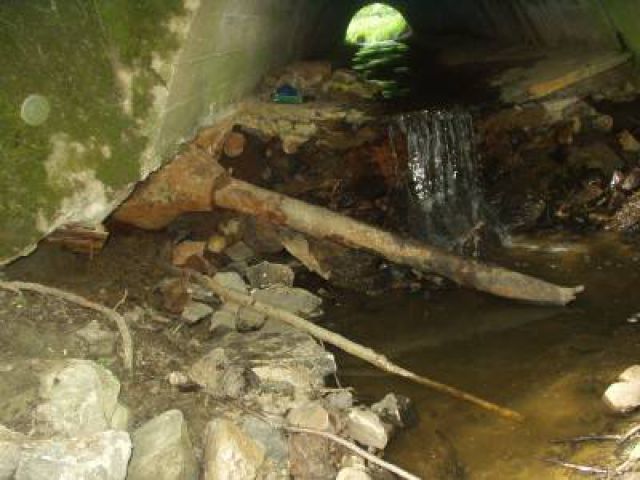
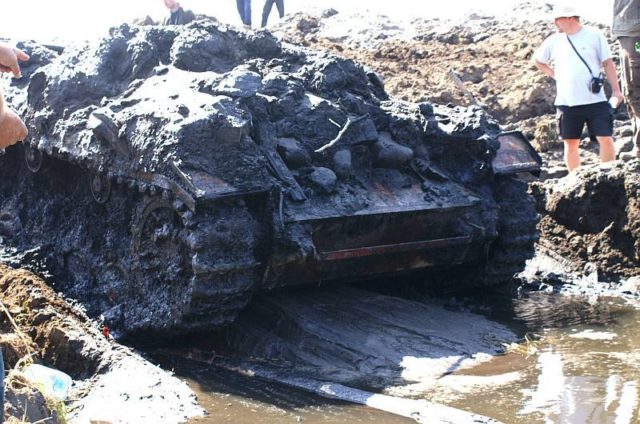
The remaining Stug continued on its withdrawal. It reached the Rgilewka river and as it was frozen, it started to drive across it. This was common practice during the harsh winters. The crew may have made a bad judgement as the ice couldn’t take the weight of the Stug as it cracked the ice and sank immediately. Two of the four crew escaped but two went to the bottom with the Stug.

The two crew members made it to safety to the nearby village and were looked after by the villagers for the night. The following day they tried to hook up with their forces but were captured by Soviets troops and shot and buried where they fell.

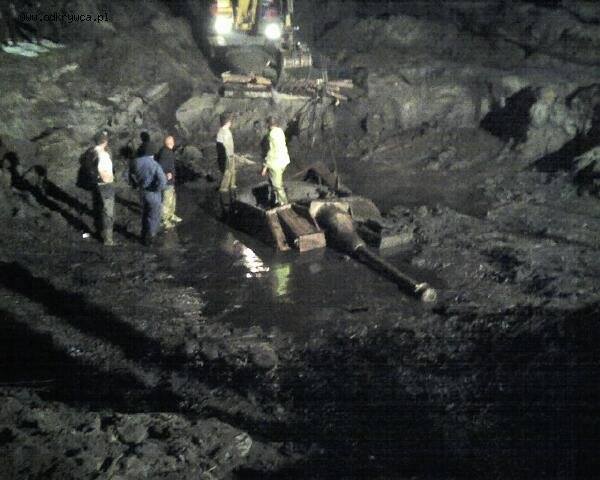
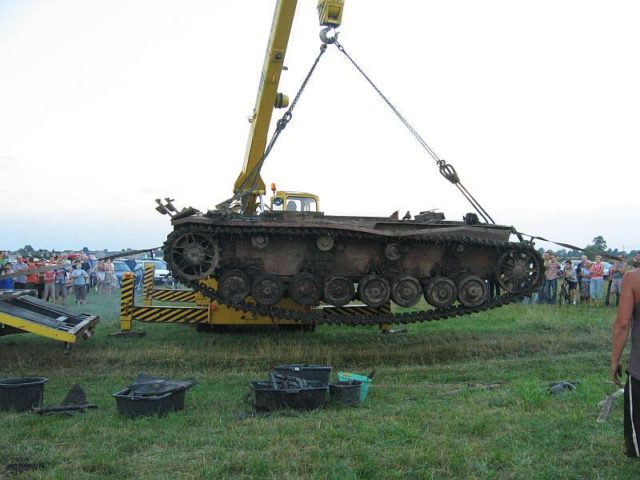
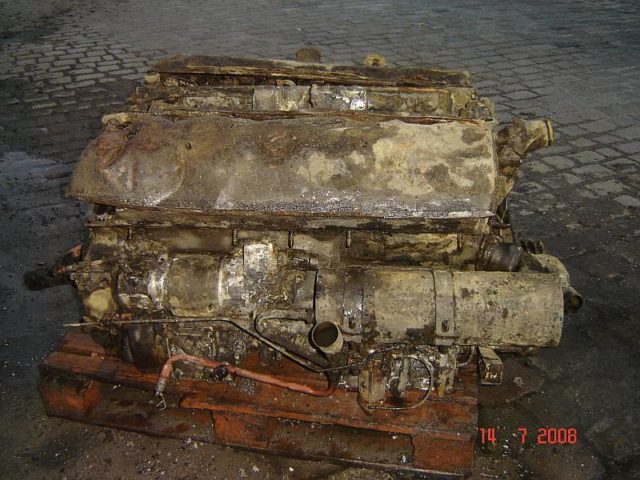
During the Spring of 1945, the two bodies of the crew who sunk with the Stug were discovered, along with their belongings, badges, showing that they had served in the Crimea between 1941-1942 which was a tough campaign. During 1954, there were several attempts to recover the wreck from the river by Polish military. But all the recovery vehicles became bogged down and the first attempt was abandoned. For the second recovery attempt a railway crane was used but the weight (Stugs are around 23 tons and would be full of water and silt) of the load nearly pulled the crane over. They eventually gave, up and the wreck was left on the river bed and was a memory for the next 50 years.

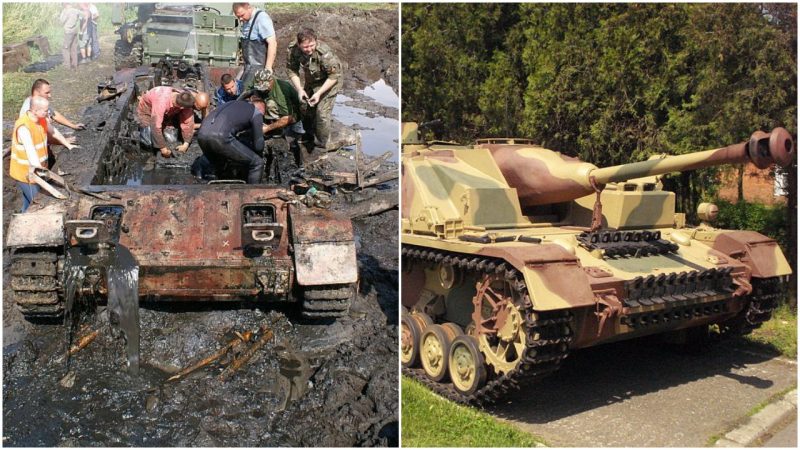
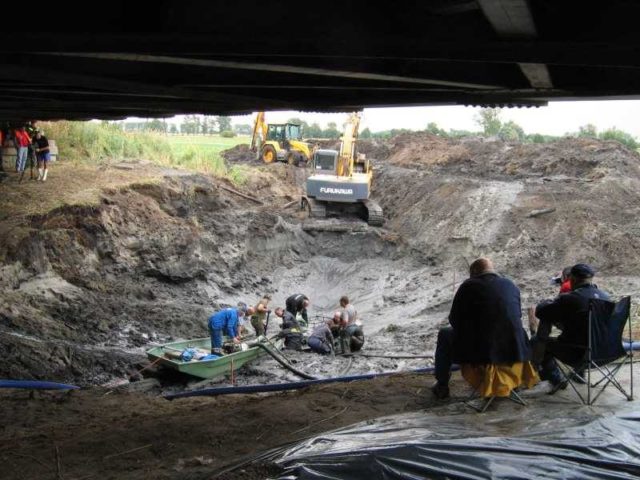
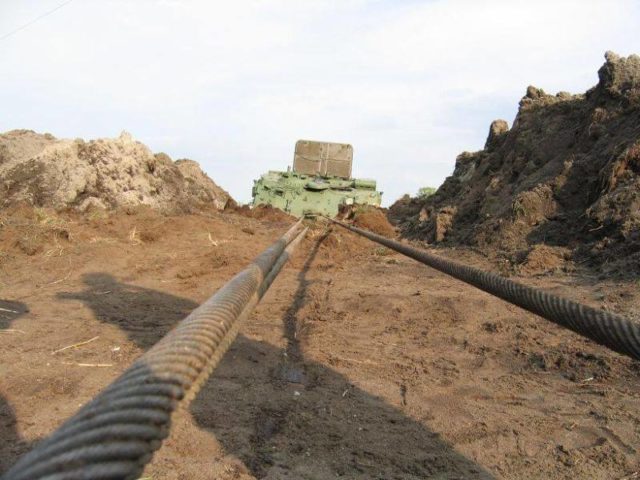
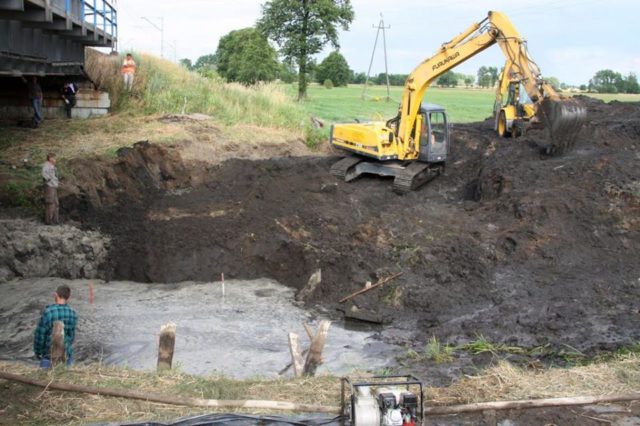
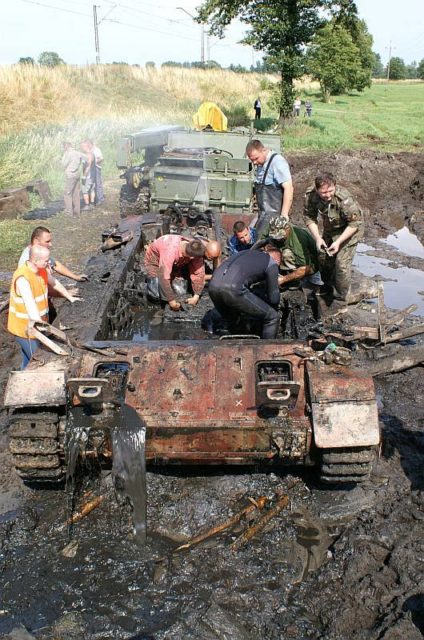
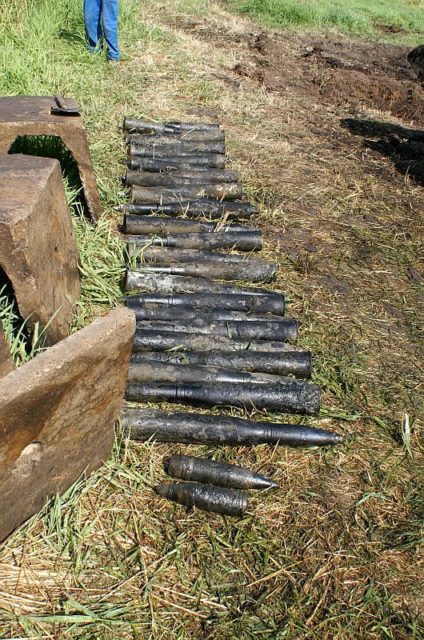
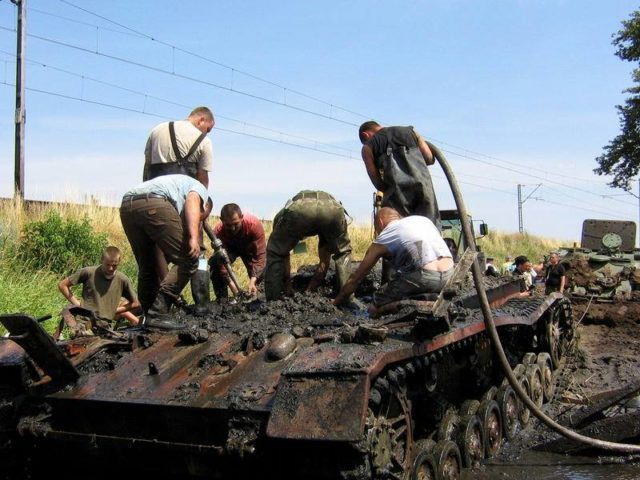
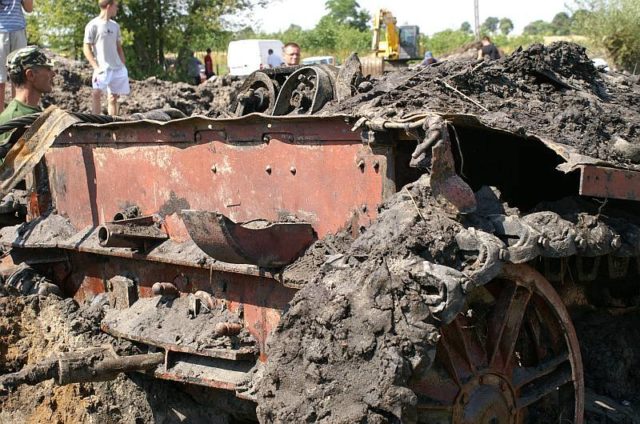
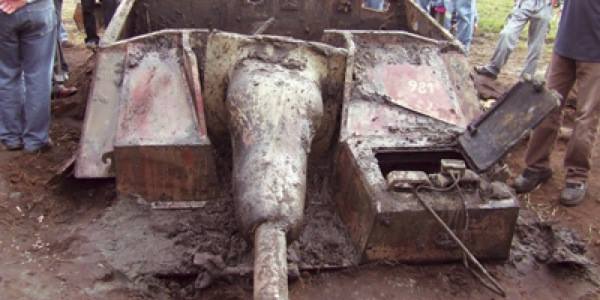
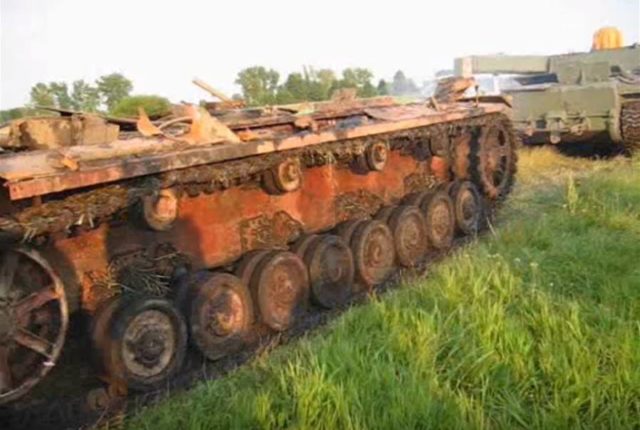
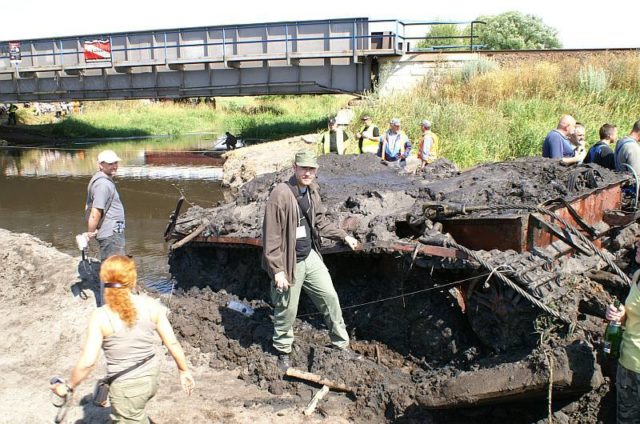
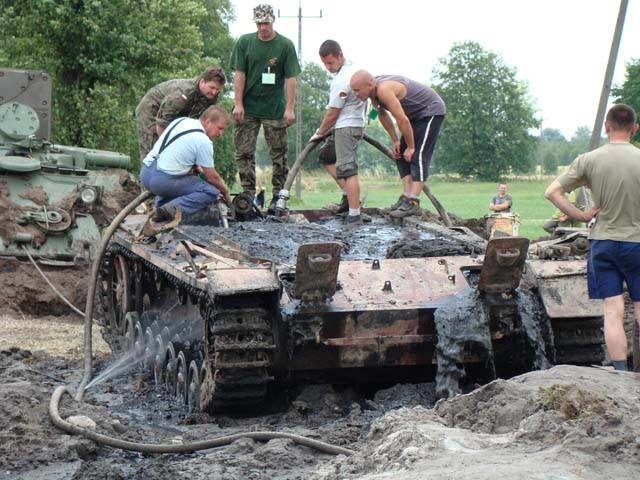
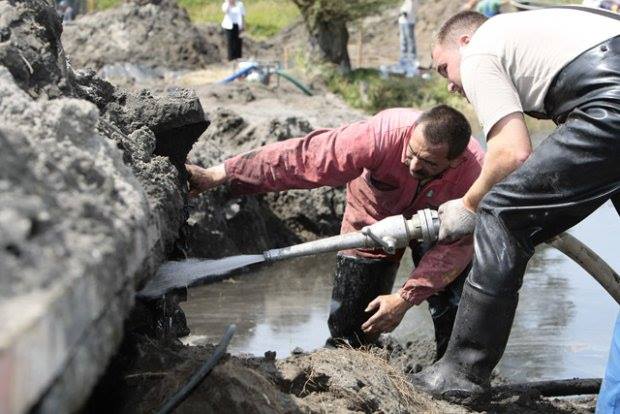
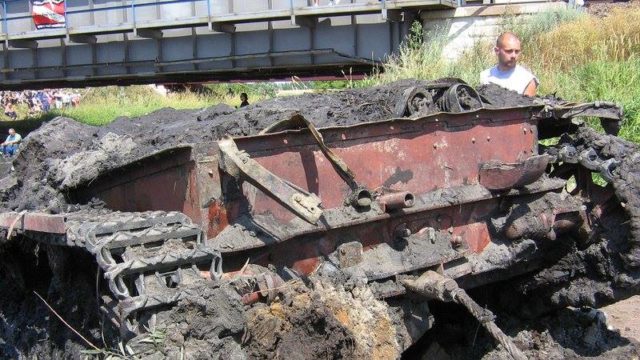
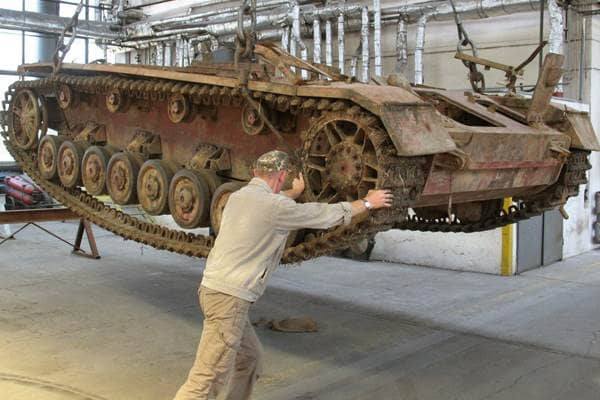
Until 2006, when topic the wreck came back to life by a group of amateur historians. They retraced the steps of the previous attempts and found the wreck that was after 5 decades sitting on the river bottom covered with 10 feet of mud. Modern day equipment made the recovering job a lot easier and the Stug was recovered in two sections ‘turret’ was removed and recovered first in 2006 and then in 2008 the hull was recovered.

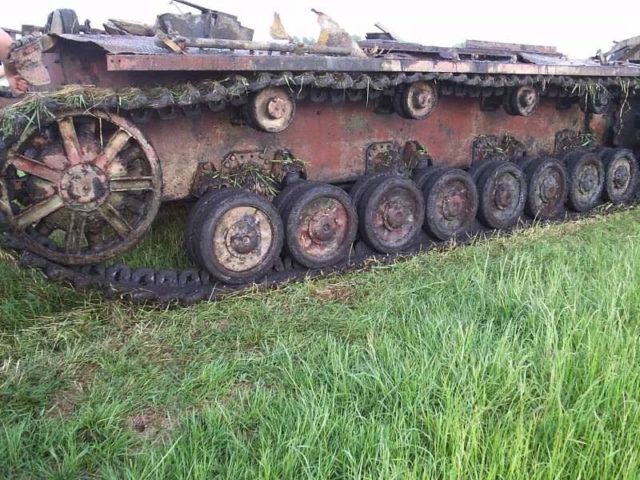
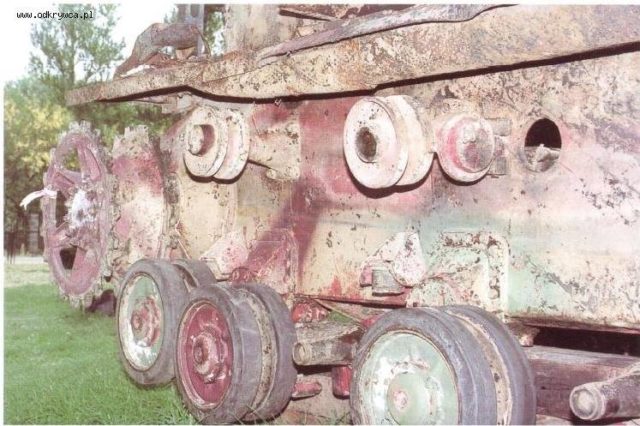
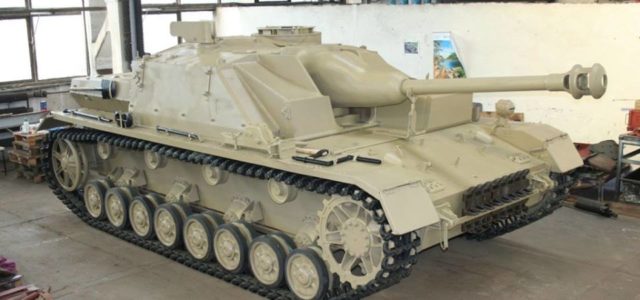
The easiest way to tell a StuG III from a Stug IV is to count them number of road wheels. A Stug III has six road wheels and a StuG IV has eight as it has a longer chassis and is based on the Panzer IV tank and not the shorter Panzer III. Normally the Panzer IV tank has 4 Returnroller on the upper section of the track but both 3 and 4 Returnroller-versions were produced side by side, starting in december 1944.

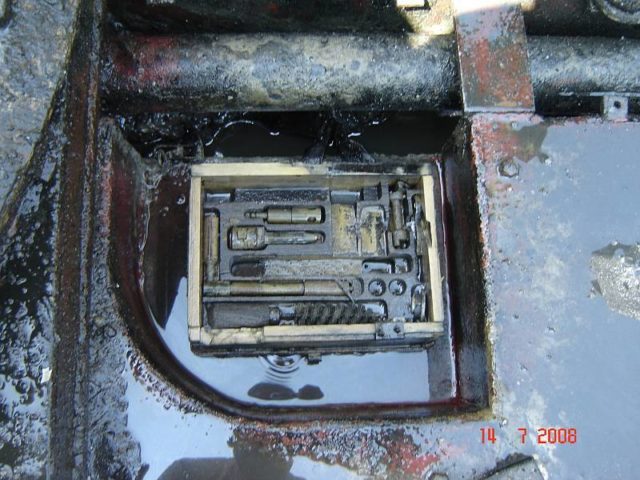
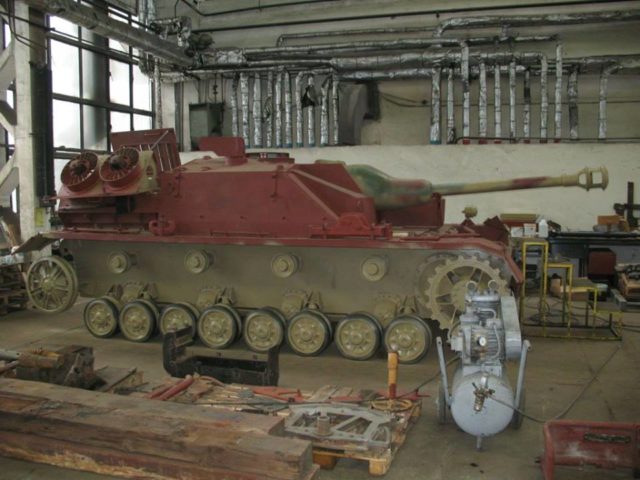
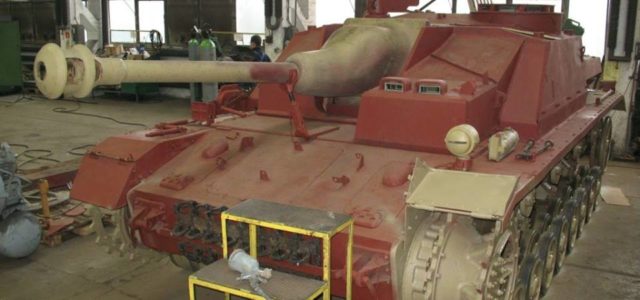
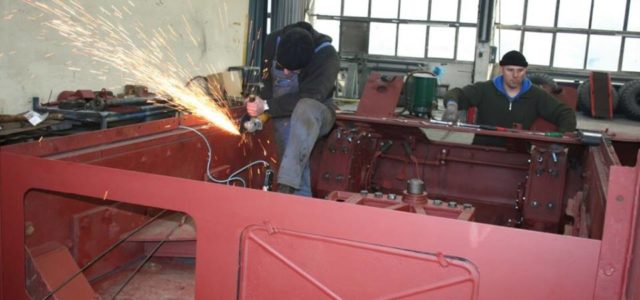
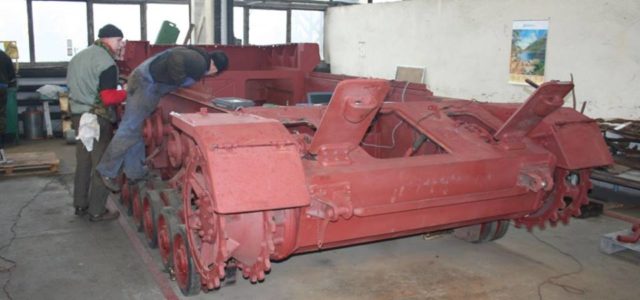
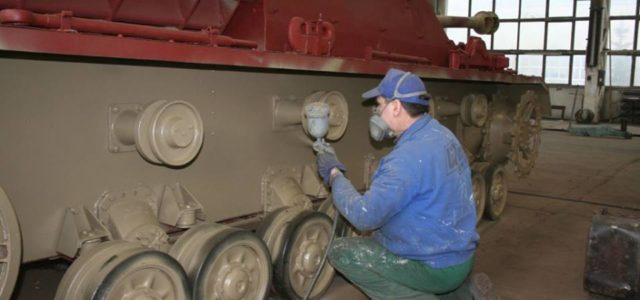
It was moved to Poznań and by the summer of 2009, it was restored to running condition. As of 2012, it’s the only running StuG IV in the world and one of three preserved examples at all (one is also in Poland and second in Latvia). As you will see in the images below – the restoration is of the highest order. A unique piece of history that has been saved. All images The Ghosts of the Eastern Front

11933404_916358511814984_1902066119128639307_n-640x480.jpg


1
12321671_916360485148120_3246254112449367790_n-640x480.jpg


2
12376295_916361035148065_4365234163541164192_n.jpg


3
12717915_916358255148343_4477513746084944275_n-640x426.jpg


4
12670921_916385535145615_4210642408612842274_n-424x640.jpg


5
12670397_916393871811448_2453929920668013533_n-424x640.jpg


6
12733491_916371248480377_4496616712073548380_n-640x480.jpg


7
12745821_916371925146976_1857499247390289625_n-640x424.jpg


8
12745775_916367951814040_6873939226028107913_n-640x424.jpg


9
12745450_916361605148008_6408217704075228576_n.jpg


10
12745436_916385098478992_3458284872199238679_n-640x424.jpg


11
12744444_916394328478069_3818734115495808170_n-640x430.jpg


12


Continued on page 2

The Sturmgeschütz IV (StuG IV), was a German assault gun variant of the Panzer IV used in the latter part of the Second World War.

Identical in role and concept to the highly successful StuG III assault gun variant of the Panzer III, both StuG models were given an exclusively tank destroyer role in German formations and tactical planning in the last two years of the war, greatly augmenting the capability of the dwindling tank force available to the German army on the Eastern and Western fronts.


12744271_916370978480404_8764396524498587118_n-640x480.jpg


13


12744202_916372131813622_7587054671856808651_n-640x424.jpg


14
12744036_916391315145037_9097795542281881918_n-640x480.jpg


15
12743878_916376541813181_3045879984621360860_n-640x480.jpg


16
12742826_916394465144722_565261160549492361_n-640x480.jpg


17
12742075_916390858478416_7497021294675330691_n-640x480.jpg


18
12741917_916363275147841_8354192531153365972_n.jpg


19
12734149_916395601811275_4399136603457441924_n-640x426.jpg


20
12027675_916391618478340_6354329238955923799_n-640x480.jpg


21
11665456_916368955147273_3721035056125165122_n-640x360.jpg


22
Continued on page 3


From December 1943 to May 1945, Krupp built 1,108 StuG IVs and converted an additional 31 from battle-damaged Panzer IV hulls.

While the number is smaller than the 10,000+ StuG III, the StuG IV supplemented and fought along with StuG III during 1944-45, when they were most needed.The StuG IV became known as an effective tank killer, especially on the Eastern Front.

It had a four-man crew, and was issued mainly to infantry divisions. Commander in hull left rear – Gunner in hull left center – Loader in hull right rear – Driver in hull left front

Thousands of working hours, devotion and the support of many people, various companies and workshops went into recreating StuG IV


10385302_916396951811140_6786151874824012438_n.jpg


23
1897725_916395288477973_3081566442500288031_n-640x480.jpg


24
12745862_916399891810846_6686738424269879911_n-640x480.jpg


25
12742157_916399815144187_3775123158407097074_n-640x300.jpg


26
12734279_916398701810965_5144560282891190606_n-640x300.jpg


27
10401145_916399068477595_814103689593389217_n-640x300.jpg


28
10624682_916400131810822_3659120893550293945_n-640x300.jpg


29
602_916399738477528_8570929116131424867_n-640x300.jpg


30
The StuG IV kept by the Armoured Warfare Museum in Poznań, Poland and here it is in all its glory.

800px-Sturmgeschutz_iv_Muzeum_Broni_Pancernej_CSWL_2-640x480.jpg
 
Arriba